
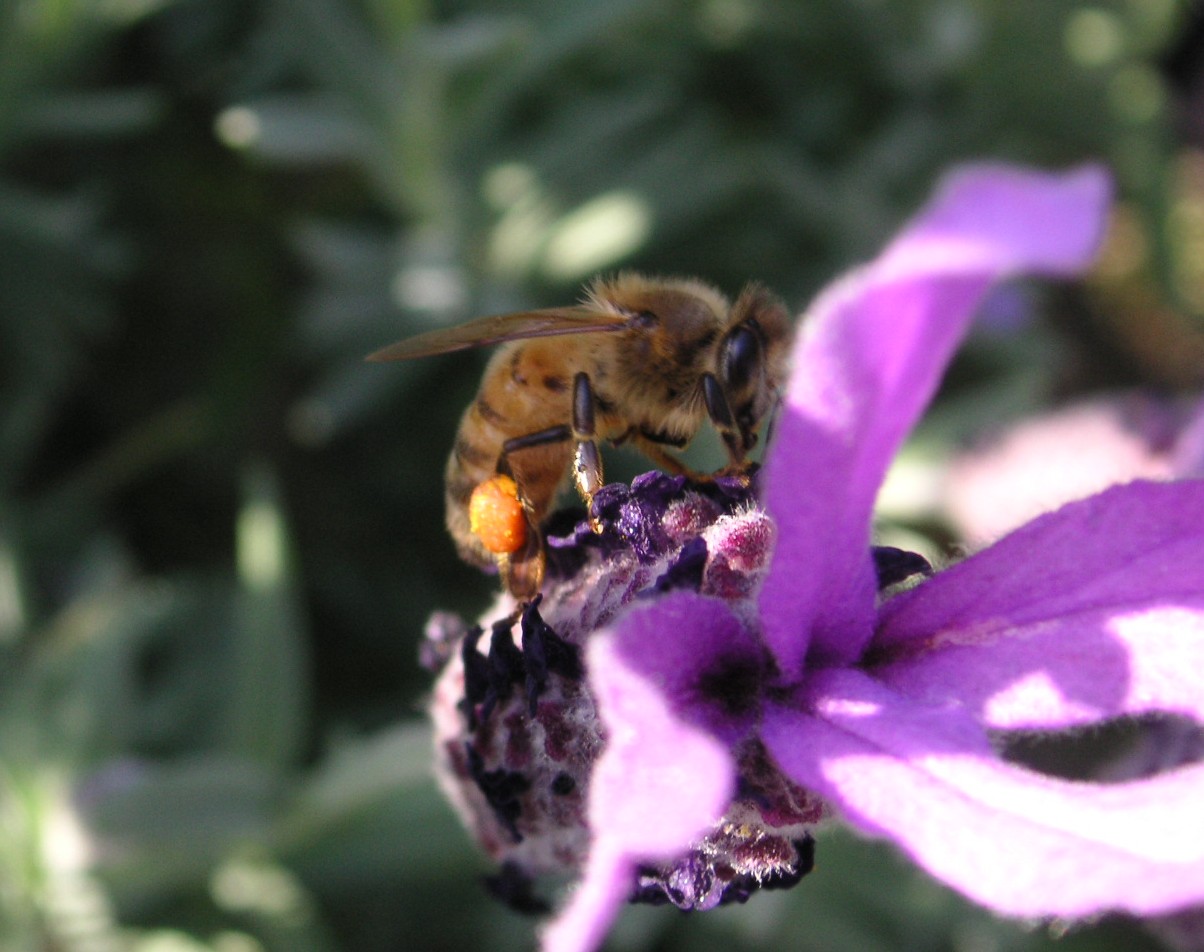
Bee pollen has shown up in more gym bags and pre-run routines over the past few years, and there's a reason. With roughly 22.7% protein, all nine essential amino acids, and over 250 bioactive compounds, it's one of the most nutrient-dense whole foods available. But the honest answer on whether it boosts athletic performance is more nuanced than most supplement sites will tell you.
Here's what the peer-reviewed research actually supports — and where the evidence falls short.
TL;DR: Bee pollen contains 22.7% protein, all 9 essential amino acids, and up to 37% of daily iron needs. Human studies show no direct performance boost, but animal research found a 52% reduction in oxidative damage markers and significant muscle-protective effects. It's best used as a whole-food recovery supplement. Start with a few granules (allergy test first), then ramp up to 1–2 tablespoons daily over 3–4 weeks. See our complete guide for more.
What Makes Bee Pollen Nutritionally Interesting for Athletes?
Few single foods pack this much into such a small serving. A 2015 review in Evidence-Based Complementary and Alternative Medicine found that these granules average 22.7% protein with 10.4% essential amino acids. Air-dried samples can reach up to 32.8% protein (PMC4377380). For runners burning through amino acid stores during long training blocks, that profile matters.
Macronutrient Breakdown (per 100g)
- Protein: 22.7–32.8% (all 9 essential amino acids: leucine, isoleucine, valine, lysine, methionine, threonine, phenylalanine, tryptophan, histidine)
- Carbohydrates: 30.8% (primarily fructose and glucose — fast-absorbing sugars)
- Lipids: 5.1% (including essential fatty acids)
- Fiber: 8.75%
Key Micronutrients for Athletes
Iron is often the standout. A 2023 analysis in the Journal of Food Composition and Analysis found an average of 197 mg/kg iron, covering up to 37% of the recommended dietary intake (ScienceDirect, 2023). That's significant for endurance athletes — especially female runners, who are at higher risk for iron deficiency.
B-complex vitamins provide approximately 15% of recommended daily intake, according to a 2023 scoping review in Nutrients (PMC10221365). At a daily intake of 40g, the supplement covers 22.6% of iron needs, 23.9% of copper, 23.8% of manganese, and 26.3% of selenium. We've had customers tell us they noticed a difference in energy levels within the first month, though individual results vary.
There's also quercetin — present at concentrations up to 1,000 mg/kg — a flavonoid studied for its anti-inflammatory and antioxidant properties (PMC9323277).
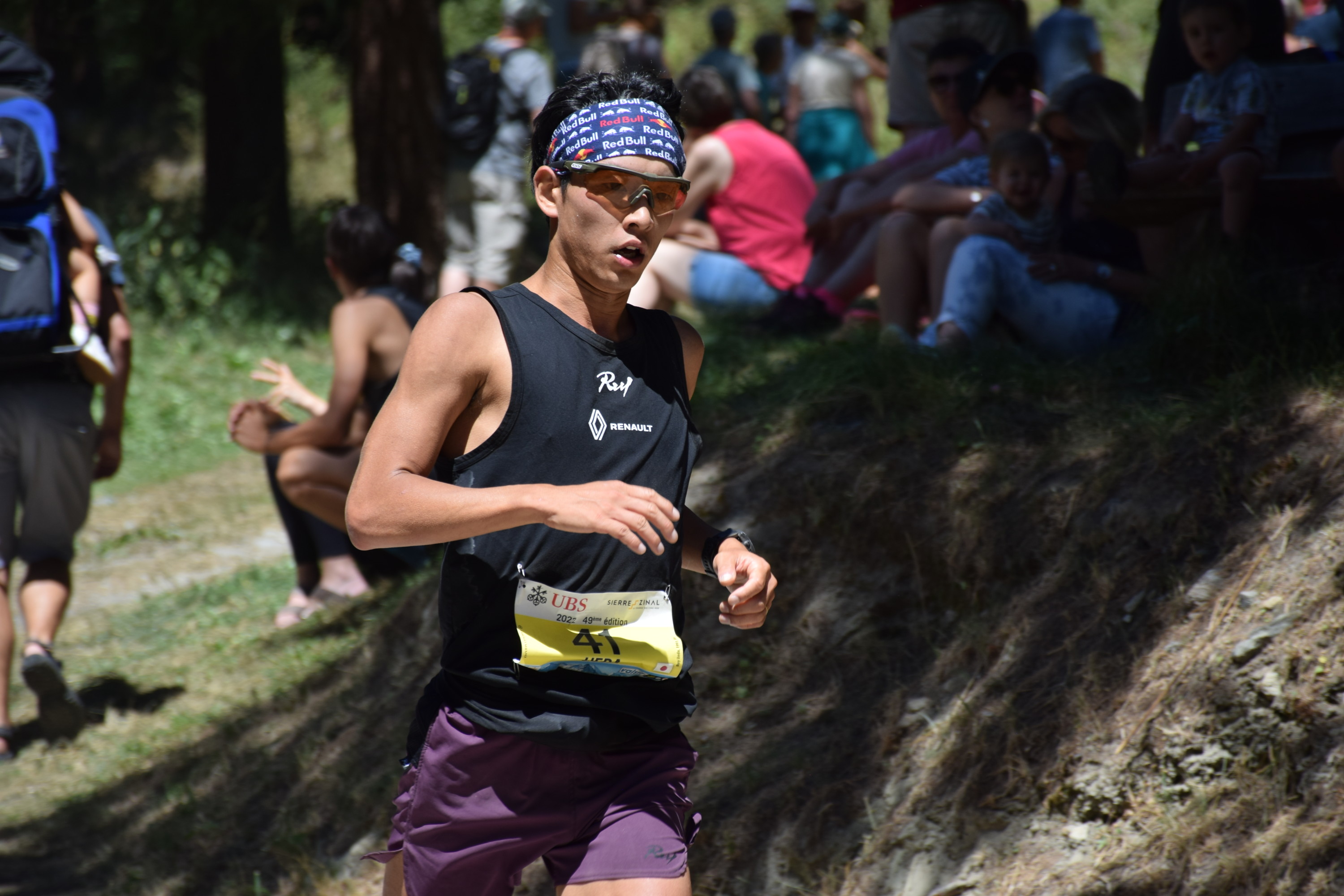
Does Bee Pollen Actually Improve Running Performance?
This is where honesty matters. The short answer: probably not directly — but it may support the systems that help you recover and train consistently.
What the Human Studies Show
Two well-known studies tested bee pollen on competitive athletes and found no measurable performance improvement:
- Louisiana State University (1978): 18 male cross-country runners supplemented with bee pollen over 12 weeks while running 70–100 miles per week. The result: "Neither pollen nor protein intake had any effect on performance, potassium, or hemoglobin" (Journal of Sports Medicine and Physical Fitness, vol 18, pp 221–226).
- College swimmers study (1976): Researchers "detected absolutely no changes in red blood cells, hemoglobin levels, hematocrit, and overall performance" from pollen supplementation (Journal of the National Athletic Trainers Association, vol 11, p 124).
These are older studies, but they remain the most cited human performance trials. A 2023 scoping review of 291 peer-reviewed bee pollen articles concluded that "translational and clinical research is still lacking" for human performance claims (PMC10221365).
Where the Evidence Is Stronger: Recovery and Oxidative Stress
Animal research paints a more promising picture for recovery — not race-day speed. A 2017 study in Integrative Medicine Research tested the supplement on exercise-stressed rats and found significant results (PMC5481795):
- SOD (antioxidant enzyme) levels jumped from 4.17 to 17.24 U/mg protein in the supplemented group
- MDA (a marker of oxidative damage) dropped from 20.10 to 9.58 nm/mg protein — a 52% reduction
- Myostatin (a protein that limits muscle growth) was significantly inhibited (p < 0.001), suggesting muscle-protective effects
A separate 2024 study in Antioxidants found that pollen compounds reduced nitric oxide production by 69% and PGE2 (an inflammatory mediator) by 44% in cell models (MDPI, 2024).
These are animal and in-vitro results — not human clinical trials. But they point to mechanisms that matter for athletes: less oxidative damage during heavy training, lower inflammation post-workout, and potential muscle protection.
How Can Runners Realistically Benefit?
Based on the available evidence, the value for runners isn't about running faster tomorrow. It's about supporting the biological systems that let you train harder and recover better over time.
Antioxidant Protection During High-Volume Training
Endurance training generates significant oxidative stress. The rat study data — showing restored SOD and glutathione levels — suggests this supplement may help buffer that stress. Quercetin, present at up to 1,000 mg/kg, is independently studied for exercise-related antioxidant effects.
Anti-Inflammatory Support for Recovery
The 69% reduction in nitric oxide production and 44% reduction in PGE2 has been described as comparable to certain NSAIDs in anti-inflammatory effect. That said, this comparison comes from animal data, not human trials.
Whole-Food Nutrient Density
Rather than stacking separate supplements for iron, B vitamins, amino acids, and antioxidants, a single whole food delivers all of these. For athletes who prefer food-first nutrition strategies, that's a practical advantage.
Immune Support During Heavy Training Blocks
Hard training suppresses immune function. A 2024 review in Frontiers in Nutrition documented immunomodulatory properties, including support for upper respiratory health (Frontiers, 2024). Staying healthy through a marathon training cycle matters more than any single supplement.
How Does Bee Pollen Compare to Common Sports Supplements?
| Bee Pollen (2 tbsp) | Whey Protein (1 scoop) | BCAAs (1 serving) | Daily Multivitamin | |
|---|---|---|---|---|
| Complete protein | Yes (all 9 EAAs) | Yes | No (3 aminos only) | No |
| Iron | Up to 37% RDI | Minimal | None | ~100% RDI |
| B vitamins | ~15% RDI | Varies | None | ~100% RDI |
| Antioxidants | Quercetin, kaempferol, rutin | Minimal | None | Varies |
| Anti-inflammatory compounds | Flavonoids, phenolic acids | No | No | No |
| Whole food | Yes | Processed | Synthetic | Synthetic |
| Calorie cost | ~60 cal | ~120 cal | ~5 cal | 0 cal |
Using bee pollen for athletes isn't about replacing whey protein when you need 30g post-workout. It's about filling a different role — a daily whole-food supplement that covers multiple nutritional bases no single isolated supplement can match.
What's the Right Dosage and Timing for Athletes?
No universally accepted athletic dosage exists, but here's a practical protocol based on published recommendations and tolerance guidelines.
Start With an Allergy Test (Non-Negotiable)
This supplement can cause allergic reactions, including anaphylaxis. A case report in the Canadian Medical Association Journal documented a 30-year-old woman with seasonal allergies who experienced anaphylaxis after just her second dose (PMC3394823).
Testing protocol:
- Place 2–3 granules under your tongue
- Wait 24 hours
- If no reaction, double the amount the next day
- Continue increasing over 7–10 days
Dosage Ramp-Up Schedule
| Week | Daily Amount | How to Take It |
|---|---|---|
| 1 | 1/4 teaspoon (~2g) | Mixed into morning smoothie or yogurt |
| 2 | 1/2 teaspoon (~5g) | Split between breakfast and pre-workout |
| 3 | 1 teaspoon (~7g) | Same split |
| 4+ | 1–2 tablespoons (~10–20g) | Morning dose + 60–90 min pre-workout |
Timing for Runners
- Pre-run (60–90 minutes before): 1 tablespoon mixed with a banana or raw honey smoothie for fast-absorbing carbs plus the amino acid and antioxidant load
- Post-run (within 30 minutes): Add to a recovery smoothie or bowl alongside protein
- Daily maintenance: Morning dose with breakfast on rest days
What Are the Best Ways to Eat It?
The granules have a slightly sweet, floral, earthy taste. Most athletes find them easiest to incorporate in:
- Smoothies and smoothie bowls — blends in easily and pairs well with fruit. See our 5 bee pollen smoothie recipes for specific combinations.
- Yogurt or overnight oats — sprinkle on top as a topping
- Straight off the spoon — the fastest method; chase with water if the texture bothers you
- Mixed into raw honey — combine with a spoonful of raw honey for a pre-run energy boost
- In an ACV wellness tonic — stir a teaspoon into your morning drink
Don't cook or bake with it. High heat destroys enzymes and heat-sensitive nutrients. Always add granules to cold or room-temperature foods.
What Are the Safety Risks?
The supplement is generally well tolerated, but athletes should know these considerations:
- Allergic reactions are the primary risk. People with seasonal allergies (especially grass pollen) have elevated cross-reactivity risk. Symptoms range from itching and hives to anaphylaxis.
- Pregnancy and breastfeeding: Possibly unsafe. Consult your healthcare provider before use.
- Drug interactions: May interact with warfarin (Coumadin) and affect blood clotting.
- Children under 2: Not recommended.
- Start slow, always. Even with no known allergies, the gradual ramp-up protocol above is non-negotiable.
If you experience swelling, difficulty breathing, or hives, stop immediately and seek medical attention. For more background on how we source and test our products, see our complete bee pollen guide.
Frequently Asked Questions
Is bee pollen good for runners?
Bee pollen provides a dense nutrient profile that supports runner recovery — including all 9 essential amino acids, iron at up to 37% of recommended daily intake, B vitamins, and antioxidants like quercetin. While human studies haven't shown direct performance improvements, animal research demonstrates significant reductions in exercise-induced oxidative stress and inflammation.
How much bee pollen should an athlete take daily?
Most sources recommend athletes work up to 1–2 tablespoons (10–20g) daily after a 2–3 week tolerance ramp-up. Always start with just a few granules to test for allergic reactions. Split your dose between a morning serving and a pre-workout serving taken 60–90 minutes before exercise.
Can bee pollen replace protein powder?
Not as a direct replacement. Two tablespoons of bee pollen contain roughly 4–6g of protein compared to 20–30g in a typical whey scoop. Bee pollen's value is as a complementary whole-food supplement that provides complete protein alongside iron, B vitamins, flavonoids, and anti-inflammatory compounds that isolated protein powders lack.
When should I take bee pollen before a run?
Take bee pollen 60–90 minutes before running, ideally mixed with a fast-absorbing carbohydrate source like a banana, raw honey, or a smoothie. This timing allows digestion and gives your body access to the amino acids and antioxidant compounds during your workout.
Is bee pollen safe if I have seasonal allergies?
Use extra caution. People with seasonal allergies — particularly grass pollen allergies — have a higher risk of cross-reactivity with bee pollen. A case study documented anaphylaxis in a woman with seasonal allergic rhinitis after just her second dose. Always perform the gradual allergy test protocol before regular use.
This article is for informational purposes only and is not medical advice. Consult your healthcare provider before adding any supplement to your routine, especially if you have allergies, take medications, or are pregnant or breastfeeding.
Browse the Current Catalog
See the products currently listed in our catalog.
Related Articles
Bee Pollen Complete Guide
Continue reading to learn more about this topic.
Bee Pollen Smoothie Recipes
Continue reading to learn more about this topic.
Raw Honey For Athletes And Energy
Continue reading to learn more about this topic.
Honey Lemon Apple Cider Vinegar Drink
Continue reading to learn more about this topic.