
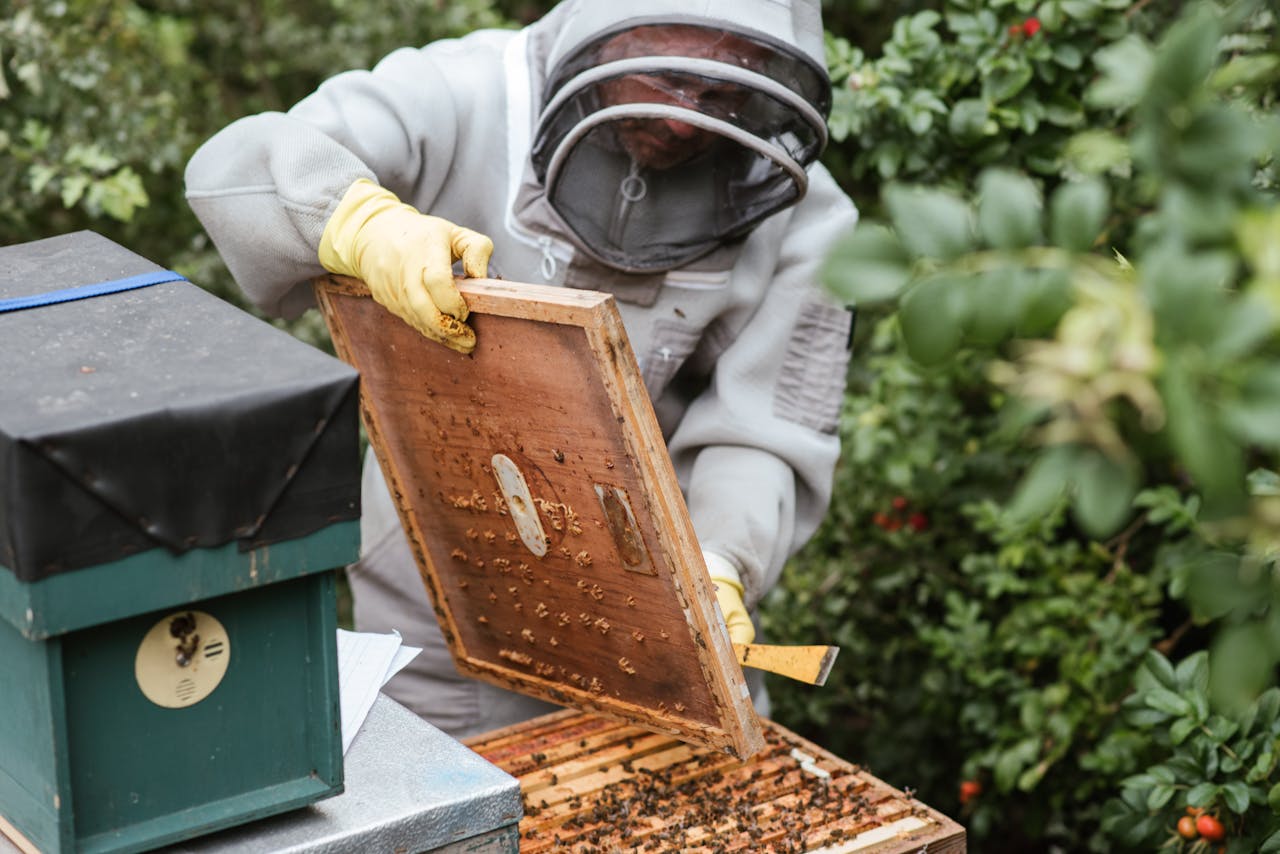
Between April 2024 and April 2025, managed honey bee colonies in the United States suffered a 55.6% loss rate -- the worst annual decline since national tracking began in 2010 (Auburn University / Apiary Inspectors of America, 2025). For first-year beekeepers, the numbers are bleaker. Industry estimates suggest that beginners lose colonies at rates well above the national average, and roughly 80% of new beekeepers quit within two years (American Bee Journal).
Most of those losses are preventable. After four generations of beekeeping and managing over 200 hives across Northern California, I have watched the same mistakes repeat season after season. Not exotic failures. Not freak weather events. The same twelve errors, each with a straightforward fix.
This is not a list of vague warnings. Every mistake below includes the specific action that prevents colony death -- because knowing what went wrong means nothing if you do not know what to do instead.
TL;DR: The top colony killers for beginners are ignoring varroa mites, inspecting too little (or too much), failing to feed when needed, poor ventilation, and not starting with two hives. Each mistake below includes the exact fix and timing. If you can avoid these twelve errors, your odds of keeping colonies alive through the first winter improve dramatically.
Mistake 1: Ignoring Varroa Mites Until It Is Too Late
This is the single biggest killer of managed colonies -- not just for beginners, but across the entire industry. The USDA and Bee Informed Partnership surveys consistently rank Varroa destructor as the leading driver of colony loss, responsible for roughly 45% of all annual losses either directly or through the viruses it transmits (USDA-ARS, 2025).
New beekeepers often skip mite monitoring entirely during their first season. The reasoning sounds logical: "My bees look healthy, and I just installed them in April -- mites cannot be a problem yet." By August, that colony carries thousands of mites, and the damage is embedded in every brood cell producing winter bees.
How to Avoid It
- Start monitoring in your first month. Once your colony has 6 or more frames of bees, perform an alcohol wash. Take 300 bees (about half a cup) from a brood frame, shake them in 70% isopropyl alcohol, and count the mites through a mesh strainer. Divide by 3 for your mites-per-hundred-bees count.
- Monitor monthly from April through October. Five checks per season is the minimum.
- Treat at threshold. 2 mites per 100 bees in spring, 3 in summer. Do not wait to "see how it goes."
- Read our full varroa mite treatment timing guide for the seasonal calendar, treatment comparisons, and the amitraz resistance crisis.
Pro Tip: Beekeepers who use alcohol washes to monitor mites see survival rates roughly 25% higher than those who rely on visual inspection alone. Seeing mites on bees with the naked eye means infestation levels are already catastrophic.
Mistake 2: Starting With Only One Hive
Starting with a single hive feels like the cautious, budget-friendly choice. It is actually one of the riskiest decisions a beginner can make.
With one hive, you have zero basis for comparison. You cannot tell whether your colony's behavior is normal or alarming because you have no reference point. Worse, when something goes wrong -- a queenless colony, a failing buildup, a sudden population drop -- you have no resources to fix it.
Why Two Hives Changes Everything
- Frame swaps save colonies. A queenless hive can be rescued by moving a frame of eggs and young larvae from your second hive. The bees will raise an emergency queen from that brood. With one hive, a queenless colony is a dead colony.
- Brood boosting. A weak colony heading into fall can be strengthened with a frame of capped brood from the stronger hive. This is the single most common intervention experienced beekeepers use, and it requires two hives.
- Comparison calibration. When one hive is booming and the other is sluggish, you know to investigate the sluggish one. With a single hive, you have no idea what "normal" looks like for your local conditions.
The first-year budget for two hives is roughly $800-1,600 -- about double the single-hive cost. That extra $400-800 is the cheapest insurance policy in beekeeping. Our first-year budget breakdown covers the numbers in detail.
Mistake 3: Inspecting Too Rarely (or Not at All)
Some new beekeepers install their package or nuc in spring, close the hive, and do not open it again for weeks or even months. The logic is usually a version of "I do not want to disturb them" or "bees managed themselves for millions of years."
Managed colonies are not wild colonies. They live in wooden boxes at densities and configurations that differ from a natural cavity. Without regular inspections, problems compound silently:
- A queen that failed during installation goes undetected. The colony becomes hopelessly queenless -- no eggs, no larvae, laying workers within 3 weeks.
- Swarm cells develop unnoticed. The colony swarms, leaving behind a fraction of its population and a virgin queen that may or may not mate successfully.
- Disease signs (chalkbrood, European foulbrood, American foulbrood) go undetected until the damage is irreversible.
The Right Inspection Cadence
Inspect every 7-10 days during the active season (spring through early fall). Each inspection should take 10-15 minutes per hive once you know what you are looking for. Use a structured checklist so you do not miss critical observations. Our hive inspection checklist covers every item frame by frame.
Mistake 4: Inspecting Too Often
The opposite problem is just as real. Some enthusiastic beginners open their hives every 2-3 days, sometimes daily. Each inspection disrupts the colony:
- Breaks propolis seals. Bees spend significant energy sealing cracks and gaps with propolis to regulate airflow and temperature. Opening the hive tears these seals apart.
- Chills brood. Exposing frames of developing brood to outside air, especially in spring when nights are still cool, can kill larvae and pupae.
- Disrupts thermoregulation. Bees maintain the brood nest at exactly 93-95 degrees F. Every hive opening forces the colony to re-establish this temperature.
- Increases defensive behavior. Colonies that are opened frequently become noticeably more aggressive, which makes future inspections harder and more stressful for both bees and beekeeper.
The Fix
Stick to the 7-10 day cadence. Resist the urge to "just peek." If you want to check activity levels without opening the hive, watch the entrance for 5 minutes. Orientation flights, pollen loads on returning foragers, and traffic volume tell you a lot without cracking a single seal.
Mistake 5: Failing to Feed When the Colony Needs It
New beekeepers frequently underestimate how critical supplemental feeding is during two specific windows: immediately after installation and in fall before winter.
After Installation
A newly installed package or nuc has no stored honey. The bees must build comb, the queen must lay, and nurse bees must feed larvae -- all of which require enormous caloric input. If there is no nectar flow happening when you install (common in early spring), the colony will burn through its energy reserves within days.
The fix: Feed 1:1 sugar syrup (by weight) from the day you install until the bees stop taking it or until your local nectar flow begins. Use an internal feeder (frame feeder or top feeder) to minimize robbing from other colonies.
Before Winter
A colony needs 60-90 pounds of stored honey to survive winter in most climates. First-year colonies rarely accumulate this much on their own because they spent the season building comb instead of stockpiling resources.
The fix: In September and October, feed heavy syrup (2:1 sugar to water by weight). Weigh your hive periodically -- a single deep Langstroth box with a full population and adequate stores should weigh approximately 80-90 pounds. Our first-winter survival guide covers the complete winterization checklist.
Pro Tip: Stop feeding once nighttime temperatures consistently drop below 50 degrees F. Bees cannot evaporate the moisture from syrup at low temperatures, and uncured syrup in the hive raises humidity, promoting mold and nosema.
Mistake 6: Poor Ventilation and Moisture Control
New beekeepers focus heavily on keeping bees warm in winter. The actual winter killer is moisture, not cold.
Honey bees cluster and generate heat metabolically. A healthy cluster can survive temperatures well below freezing. But when that metabolic heat rises to the top of the hive, hits a cold inner cover, and condenses, water drips back down onto the cluster. Wet bees in winter die. It is that simple.
Signs of Moisture Problems
- Water stains or mold on the inner cover during winter checks
- Dead bees with their tongues extended (a sign of cold water dripping onto the cluster)
- Musty smell when you crack the hive open in spring
The Fix
- Upper ventilation. Prop the inner cover slightly or use a ventilated inner cover with a moisture-absorbing material (burlap sack filled with wood shavings, commercially available moisture boards, or a Vivaldi board).
- Do not wrap hives airtight. If you use a hive wrap for wind protection, make sure there is still airflow at the top. You want the warm, moist air to escape.
- Tilted hive. Angle the hive very slightly forward (about 1 inch) so any condensation drains toward the entrance rather than pooling on the bottom board.
Mistake 7: Harvesting Honey in the First Year
The temptation is powerful. You started beekeeping partly for the honey, the frames look full, and you want to share your first harvest with everyone you know. Taking honey from a first-year colony is one of the most common reasons those colonies die over winter.
First-year colonies spend the entire season building comb. A package installed on bare foundation must draw out every cell before the queen can lay in it and before foragers can store nectar in it. That comb-building consumes roughly 6-8 pounds of honey for every pound of wax produced (Hepburn, 1986). The colony is running a caloric deficit all season long.
The Rule
Do not harvest honey in your first year. Leave everything for the bees. If the colony fills two deep brood boxes and an additional medium super with capped honey, and you are confident they have 60-90 pounds of stores heading into fall, you might take a frame or two. Otherwise, leave it alone.
Your second year -- when the comb is already drawn and the colony can focus entirely on foraging and storing -- is when honey production begins in earnest.
Mistake 8: Wrong Hive Placement
Where you put the hive matters more than most beginners realize. Poor placement creates chronic stress that weakens the colony over time.
Common Placement Errors
| Error | Why It Hurts | Fix |
|---|---|---|
| Full shade | Colonies stay damp, build up slowly in spring, more susceptible to small hive beetles | Morning sun exposure (east-facing entrance) is ideal. Afternoon shade is fine in hot climates. |
| Direct wind exposure | Winter winds pull heat from the cluster, increasing honey consumption and stress | Use a windbreak (fence, hedge, building) on the north and west sides. |
| Low-lying wet ground | Moisture wicks into the hive from below. Promotes mold, fungal diseases. | Elevate hives 12-18 inches on a hive stand. Use cinder blocks or a purpose-built stand. |
| Facing north | Entrance gets no direct sun, stays cold and damp in spring | Face the entrance south or southeast for maximum morning warmth. |
| Too close to neighbors/walkways | Defensive bees sting passersby, leading to complaints or forced hive removal | Position the flight path away from foot traffic. Use a 6-foot fence or hedge to force bees to fly upward immediately after exiting. |
If you are setting up your first apiary, our complete beginner's guide walks through site selection, sun exposure, and local regulation considerations.
Mistake 9: Neglecting Queen Status
The queen is the reproductive center of the colony. When she fails, stops laying, or disappears, the clock starts ticking. A colony that goes queenless for more than 2-3 weeks will develop laying workers -- sterile female workers that lay unfertilized eggs, producing only drones. Once laying workers establish, the colony is nearly impossible to requeen.
How Beginners Lose Queens
- Crushing during inspection. This is the most common cause. Sliding frames together carelessly, setting frames down on top of bees, or not checking the frame rest area before replacing frames. The queen is larger and slower than workers, making her especially vulnerable.
- Not verifying queen acceptance. After installing a package with a caged queen, failing to check that the queen was released and accepted within 3-5 days. Some colonies kill the queen in the cage.
- Ignoring queenlessness signs. No eggs for 2+ weeks, scattered drone brood in worker cells, agitated or roaring bees during inspection -- all signs that should trigger immediate action.
The Fix
- Always know your queen status. You do not need to find the queen every inspection. Instead, look for fresh eggs (standing upright in cells, less than 3 days old). Eggs confirm the queen was present and laying within the last 72 hours.
- Handle frames gently. Lift straight up, inspect, and return straight down. Never roll or slide frames against each other.
- Keep a marked queen. Marking the queen with a paint dot (the international color code changes by year) makes her dramatically easier to spot and reduces the chance of accidental crushing.
For a deeper dive into queen management, including how to raise your own queens as a backup, see our queen rearing guide for beginners.
Mistake 10: Using Old or Contaminated Equipment
Buying used equipment seems like a smart way to save money. It can also introduce American foulbrood (AFB) spores into your operation -- a disease so serious that many states require burning infected equipment by law.
AFB spores survive for over 70 years on contaminated woodenware. There is no reliable way to decontaminate wooden hive bodies, frames, or foundation that have been exposed. Irradiation works, but it is not widely available to hobbyists.
Safe Practices
- Buy new frames and foundation. Used boxes and bottom boards can be scorched with a propane torch (surface sterilization), but frames and comb should always be new.
- Never buy used equipment without knowing its history. Ask the seller directly: has this equipment ever been in contact with AFB? If they do not know, do not buy it.
- If you inherit hives from a beekeeper who quit, have a state apiary inspector examine the equipment before you use it. Most states offer this service for free.
- Recognize AFB symptoms. Sunken, perforated cappings over brood cells. A ropy, foul-smelling residue when you insert a matchstick into a dead cell and pull it out (the "ropiness test"). If you suspect AFB, contact your state inspector immediately. Our honey bee diseases guide covers identification and response for all major brood diseases.
Mistake 11: Skipping Fall Preparation
Winter colony loss is almost always a fall failure. The decisions made (or not made) between September and November determine whether a colony survives to spring.
The Fall Checklist Beginners Skip
- Mite treatment verification. Treat in August, re-check in September. If mite counts are still above 1 per 100 bees, treat again with a different product.
- Food stores assessment. Hefting the hive or weighing it. A double-deep Langstroth should feel heavy -- around 80-90 pounds of honey stores minimum for northern climates.
- Entrance reduction. Install a mouse guard and reduce the entrance to 3-4 inches wide. Mice will nest inside hives in winter, destroying comb and stressing the cluster.
- Ventilation setup. Add a moisture board or prop the inner cover. Review Mistake 6 above.
- Combining weak colonies. A weak colony heading into winter is a dead colony. Combine it with a stronger hive using the newspaper method (place a sheet of newspaper between the two colonies; by the time they chew through, they have acclimated to each other's scent).
Skipping even one of these steps increases winter loss probability substantially. Walk through the full winter preparation process in our first-winter survival guide.
Mistake 12: Not Connecting With Other Beekeepers
Beekeeping is a craft learned through mentorship and shared experience far more than through books or videos alone. The mistakes in this article are well-documented, but recognizing them in real time -- inside a live hive, with thousands of bees moving and weather and lighting working against you -- requires pattern recognition that only comes from hours alongside someone who has seen it before.
Where to Connect
- Local beekeeping clubs and associations. Nearly every county in the U.S. has one. Most hold monthly meetings, offer beginner workshops, and run mentorship programs. Many assign experienced mentors to first-year beekeepers.
- State beekeeping associations. These organize conferences, field days, and certification programs. If you are serious about the craft, a master beekeeper certification provides structured progression.
- Online communities. Forums like BeeSource and r/Beekeeping provide fast answers, but filter advice carefully -- not all of it is evidence-based. Local mentors who know your climate and forage conditions are more valuable than strangers on the internet who may be managing bees 2,000 miles away in a different ecosystem.
For a comprehensive guide to finding mentors, joining clubs, and building your beekeeping network, see our beekeeping mentor and clubs guide.
The Cost of Getting It Wrong: Colony Loss by the Numbers
The financial and ecological toll of colony loss is staggering. Here is what the data shows for the 2024-2025 season:
The national loss rate of 55.6% means that more than half of all managed colonies in the country died or were lost within a single year. For commercial operations managing 500+ hives, the rate climbed to 62%. First-year beginners typically fare worst of all, though precise national data on beginner-specific loss rates is limited -- industry estimates and beekeeper community surveys consistently place it above 70%.
Which Mistakes Cause the Most Damage?
Not all twelve mistakes carry equal weight. Based on colony loss cause data from the USDA and Bee Informed Partnership surveys, here is how the primary failure modes rank:
Varroa mites and the viruses they vector account for nearly half of all colony losses. Starvation -- often the direct result of Mistake 5 (failing to feed) and Mistake 7 (harvesting honey too early) -- accounts for another 20%. Queen failure (Mistake 9) contributes 15%.
The math is clear: if you get varroa management, feeding, and queen monitoring right, you have addressed roughly 80% of the risk.
A Simple First-Year Survival Plan
If the twelve mistakes above feel overwhelming, distill your first year down to this monthly action plan:
- January-February: Order equipment and bees. Set up two hives. Read our equipment checklist before you buy.
- March-April: Install bees. Start feeding 1:1 syrup immediately. First mite check within 4 weeks of installation.
- May: Inspect every 7-10 days. Watch for swarm cells. Add space (supers) if the colony fills 80% of the brood box.
- June: Second mite check. Continue inspections.
- July: Third mite check. If above threshold, treat with formic acid (can be used with supers).
- August (first two weeks): Treat for mites. This is the most important treatment of the year.
- September: Verify mite treatment worked (re-check). Begin feeding 2:1 syrup if stores are light.
- October: Final mite treatment (oxalic acid if broodless). Reduce entrance. Install mouse guard.
- November: Add moisture management. Do not open the hive again until spring unless checking stores by hefting.
- December-February: Leave the bees alone. Heft occasionally to check weight. Order next year's supplies.
Frequently Asked Questions
What are the biggest mistakes new beekeepers make?
The three most damaging mistakes are failing to monitor and treat for varroa mites, not feeding the colony during critical periods (installation and pre-winter), and starting with only one hive. Varroa alone drives roughly 45% of all colony losses nationwide, and most first-year beekeepers do not begin monitoring until the mite population has already reached damaging levels. Starting with two hives provides the resources -- spare frames of brood, eggs for emergency queen rearing -- to recover from problems that would kill a single-hive operation.
Why do first-year beekeepers lose their hives?
First-year colonies face a structural disadvantage: they spend most of the season building comb rather than stockpiling food. Combined with beginner-level mite management (often no management at all), inadequate fall feeding, and failure to prepare hives for winter, the result is colonies entering their first winter underweight, mite-damaged, and unable to sustain the cluster through cold months. Industry data suggests first-year loss rates significantly exceed the 55.6% national average.
How often should you inspect a beehive?
Every 7-10 days during the active season (roughly April through October in most climates). This cadence is frequent enough to catch problems early -- queenlessness, swarm preparation, disease -- while allowing the colony time to rebuild propolis seals and re-establish thermoregulation between inspections.
Can you over-inspect a beehive?
Yes. Opening a hive more than once per week causes measurable disruption: broken propolis seals, chilled brood from temperature fluctuations, and increased defensive behavior. The exception is emergency situations -- suspected queenlessness, active robbing, or treatment application that requires follow-up. Otherwise, once every 7-10 days is the right balance.
What kills a bee colony in the first year?
The leading killers in order of impact are: varroa mites and associated viruses (45% of losses), starvation from inadequate food stores (20%), queen failure or loss (15%), weather extremes (10%), and pesticide exposure (10%). Most of these are preventable through consistent monitoring, timely treatment, appropriate feeding, and proper hive placement and winterization.
Moving From Mistakes to Mastery
Every experienced beekeeper has made at least a few of these mistakes. The difference between beekeepers who quit after their first winter loss and those who build thriving operations comes down to one thing: learning the patterns before the colony pays the price.
The twelve mistakes in this article are predictable, seasonal, and fixable. If you are just starting out, build the monitoring habit from day one, always keep two hives, and do not take shortcuts on fall preparation.
For a structured path through your first year that covers these fundamentals hands-on -- from your first mite wash to winterization -- The Complete Beekeeper course walks through each step with video demonstrations and real hive scenarios from Northern California apiaries. It is designed specifically to help new beekeepers avoid the mistakes that kill colonies before they ever see a second spring.
The bees will teach you more than any article or course ever can. But they can only teach you if they survive long enough for you to learn.
Learn Beekeeping the Northern California Way
Eight written modules built around Northern California seasons — first inspection through first harvest, with printable checklists.
Keep reading
Beekeeping & Sustainability
How to Start Beekeeping: The Complete Beginner's Guide to Your First Hive
Colony losses hit a record 55.6% in 2024-2025, making new beekeepers more important than ever. This step-by-step guide covers everything from equipment and hive selection to seasonal management and first-year mistakes, so you can start your first hive with confidence.
Beekeeping & Sustainability
Beekeeping Equipment & Supplies Checklist: What You Actually Need to Start
Starting a hive costs $400-800 for equipment, but half the items in most 'starter kits' are unnecessary. This no-fluff checklist covers exactly what you need to start beekeeping, what can wait, what to skip entirely, and where to spend versus save.
Beekeeping & Sustainability
Varroa Mite Treatment Timing: When to Treat, How to Monitor & What's Changing in 2026
Colony losses hit 55.6% in 2024-2025, and mistimed varroa treatments are a leading driver. This seasonal guide covers monitoring methods, treatment windows, the amitraz resistance crisis, and new tools like RNAi and disease-resistant bee stocks that are reshaping mite management in 2026.
Beekeeping & Sustainability
Honey Bee Diseases: How to Identify 8 Common Threats
U.S. beekeepers lost 55.6% of managed colonies in 2024-2025, and disease ranks among the top drivers alongside varroa mites. This field-ready guide covers the 8 most common honey bee diseases -- from American foulbrood to Nosema -- with visual symptom descriptions, prevention protocols, and treatment options so you can catch problems before they destroy a colony.