
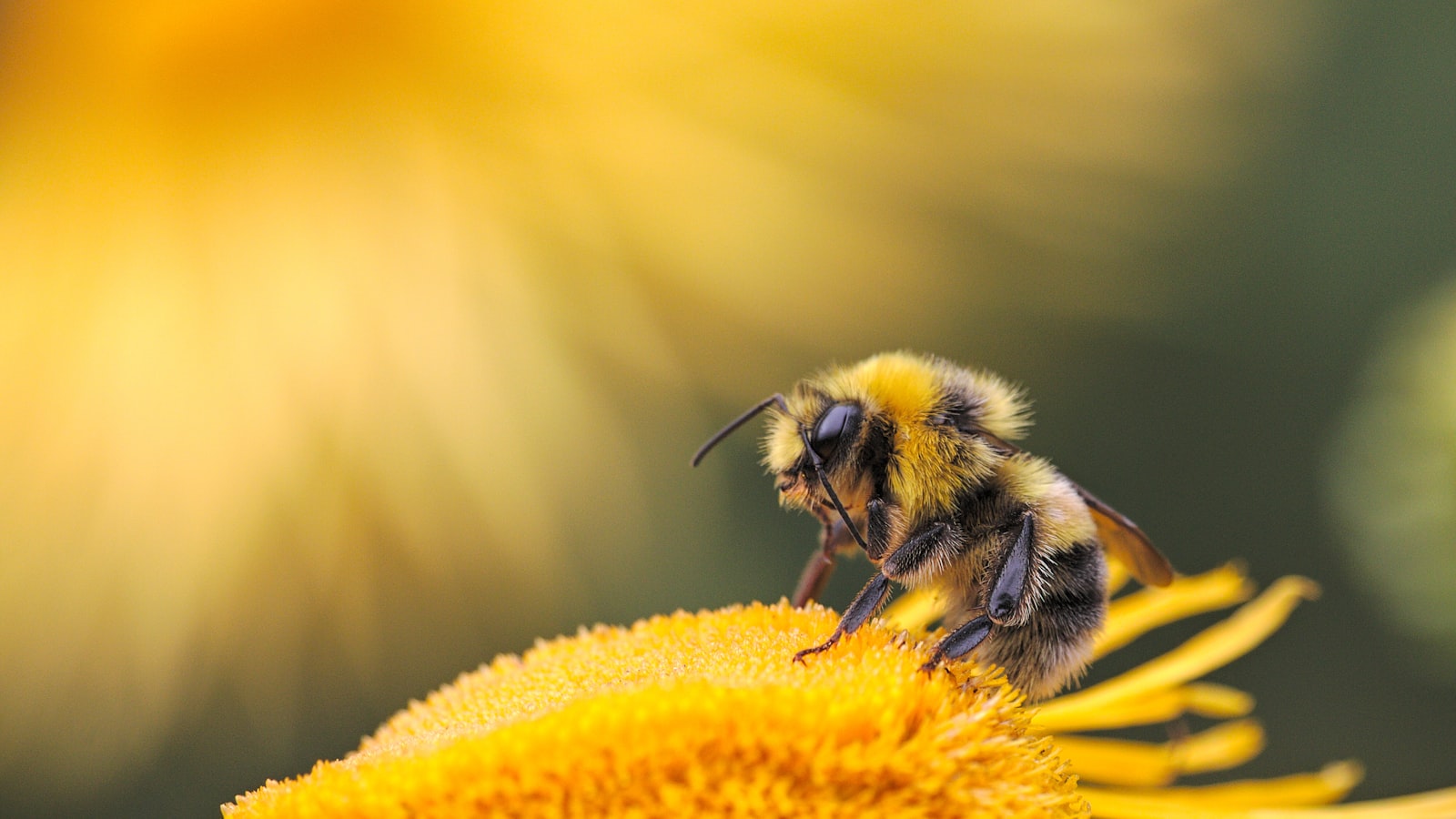
To requeen a hive, you remove the existing queen, wait at least 24 hours so the colony recognizes its queenless state, then introduce a caged replacement queen suspended between two brood frames. The colony chews through a candy plug over 3 to 7 days while becoming acclimated to her pheromones, after which she walks out, begins laying within a week, and the cycle of comb building, brood production, and honey storage continues with new genetics.
Done well, requeening is one of the highest-leverage interventions in beekeeping. Done poorly, it kills the new queen, leaves you queenless deeper into the season, and costs you a $40 to $60 queen plus the brood production lost during the gap. The Bee Informed Partnership's 2024-25 Loss and Management Survey reported that U.S. beekeepers lost 55.1% of their managed colonies year-over-year -- the second-highest annual loss recorded -- and queen failure or supersedure was cited among the top management-related causes. Understanding the requeening process is no longer optional knowledge for a backyard beekeeper.
This guide walks through every step: deciding whether to requeen, sourcing a quality queen, removing the old queen, introducing the new one, confirming acceptance, and troubleshooting the colony if she's rejected. Each step has a fixed biological timeline, and rushing any of them is the most common reason new queens get balled and killed.
TL;DR: Requeen when a colony shows poor laying patterns, aggressive temperament, high disease load, or after the queen turns 2 years old. Order the new queen 1 to 2 weeks ahead. Locate and remove the old queen, wait 24 hours, then suspend the caged new queen candy-end-up between brood frames. Do not direct release. Check at day 3 for cage behavior (bees calmly feeding her through the screen = good; biting and balling = bad). Confirm acceptance at day 7 to 10 by spotting her, eggs, or fresh larvae. Do not crack the brood nest open during week 1 -- inspections at this stage are the #1 cause of failure.
When Should You Requeen a Hive?
The best time to requeen is the moment you have evidence the current queen is failing -- not the moment a calendar says it's spring. That said, certain windows give the colony the best odds of accepting a new queen and rebuilding strength before the next dearth or winter.
Six Reasons to Requeen Now
- Spotty brood pattern. A healthy queen lays in tight, contiguous patterns with 90%+ of cells filled in the brood area. If you're seeing scattered eggs, skipped cells, or a "shotgun" pattern, her sperm stores or laying ability are declining.
- Drone-laying queen. A queen that runs out of sperm starts producing only unfertilized (drone) eggs, even in worker-sized cells. You'll see protruding bullet-shaped cappings in the worker brood area. This colony will collapse within weeks if not requeened.
- Aggressive temperament. Some genetics produce hot colonies that head-butt the veil, follow you 30 feet from the apiary, or sting through gloves. Requeening with gentle stock typically softens the colony's behavior within 4 to 6 weeks as the new queen's daughters replace the existing workforce.
- Disease susceptibility. Colonies with chronic chalkbrood, European foulbrood, or heavy varroa loads often have queens whose offspring lack hygienic behavior. Requeening with hygienic, varroa-resistant stock is a long-term mite management strategy.
- Aging queen. Queens lay best in their first year and decline noticeably in year two. By year three, supersedure is likely whether you intervene or not. Many commercial operations requeen annually as a productivity calculation.
- Recovering from a bad winter or split. A weak colony coming out of winter can be rebuilt faster with a young, prolific queen than by waiting for the existing queen to ramp up.
Seasonal Windows
| Season | Requeening Suitability | Key Considerations |
|---|---|---|
| Early Spring (Mar-Apr) | Good | Strong nectar flow building; young queens accelerate buildup; queen breeders typically ship starting late March |
| Late Spring to Early Summer (May-Jun) | Excellent | Peak queen availability; abundant forage; warm temps support cluster behavior around the cage |
| Mid Summer (Jul-Aug) | Moderate | Heat stress and dearth can lower acceptance; provide light feeding to simulate flow |
| Late Summer (Late Aug-Sep) | Good | Critical window if you want a new queen producing winter bees; must complete by 6 weeks before first frost |
| Fall (Oct) | Marginal | Acceptance rates drop; colony may not build enough winter bees |
| Winter (Nov-Feb) | Avoid | No forage, clustered bees, no shipping — wait for spring |
In Northern California's Central Valley, the prime requeening windows are roughly April through early June and again from mid-August through mid-September. Match your requeening to either nectar flow or pre-winter buildup, and avoid the worst of the summer dearth.
When NOT to Requeen
Skip the requeen and investigate first if any of these apply:
- The colony just swarmed. A virgin queen may be present but unmated. Wait 3 to 4 weeks for her to mate and start laying before assuming you need to intervene.
- Recent supersedure cell. The bees may already be replacing the queen on their own. Look for capped supersedure cells before introducing a purchased queen.
- Dearth and starvation. A queen reduces or stops laying during severe dearth. Feed 1:1 sugar syrup for a week and re-evaluate before assuming queen failure.
- Mite-induced stress. A heavily infested colony presents identically to a failing queen. Test mite levels with an alcohol wash first; treat if needed before judging the queen.
How to Buy a Quality Queen
The single biggest predictor of requeening success is the quality of the queen you start with. A $30 mass-produced queen from a stressed shipping operation will not perform like a $50 queen from a small-scale breeder selecting for traits that match your climate.
What to Look For
- Locally adapted genetics. A queen bred in your climate or one similar will outperform a queen bred 2,000 miles away. Locally adapted queens tolerate your seasonal temperature swings, forage cycles, and pest pressure better.
- Mated and laying. Only buy queens that have been observed laying. "Virgin" queens (unmated) require additional drone exposure and have much higher failure rates outside professional breeding setups.
- Marked. Pay the extra $2 to $5 for a marked queen. Color codes follow an international standard so you can read the queen's birth year at a glance.
- Health certificate or apiary inspection record. Reputable breeders provide documentation showing their breeding operation has been inspected and is free of regulated diseases.
- Trait selection notes. Ask what the breeder selects for: hygienic behavior (varroa resistance), gentleness, honey production, overwintering ability, or buildup speed. A breeder who can't answer this is selling you a generic queen.
International Queen Marking Color Code
| Year ends in | Color | Memory aid |
|---|---|---|
| 1 or 6 | White | "Will" |
| 2 or 7 | Yellow | "You" |
| 3 or 8 | Red | "Raise" |
| 4 or 9 | Green | "Good" |
| 5 or 0 | Blue | "Bees" |
So a queen from 2026 (year ending in 6) is marked white. A queen from 2027 (ending in 7) will be yellow. Any time you see a marked queen in a hive, the color tells you her birth year regardless of when she was introduced.
What to Expect to Pay
Based on 2026 pricing from established U.S. queen breeders, current ranges are roughly:
- Italian or Carniolan production queens: $40 to $55 each
- Saskatraz, VSH, Pol-Line, or other selectively bred lines: $50 to $75 each
- Locally adapted breeder queens (small-scale, name-brand bee breeders): $65 to $150 each
- Overnight or 2-day priority shipping: $45 to $75 added per order
Order 7 to 14 days before you intend to install. Most breeders pull queens to order; expect a 1 to 3 week lead time during peak season (April through June) and even longer for premium breeders. If a breeder has unsold queens ready to ship same-day in May, they're either oversupplied or running an operation that doesn't sell out -- both can be quality flags.
Where to Buy
- Small-scale local breeders. Best option for genetic adaptation. Find them through your local beekeeping club or your state's bee inspector.
- Established regional breeders. Operations like Olivarez Honey Bees, Strachan Apiaries, or Koehnen and Sons in California ship reliable production queens nationwide.
- University-affiliated breeding programs. USDA-ARS partner programs (Pol-Line, Saskatraz, etc.) often work with regional cooperators who sell to the public.
- Avoid: queens listed on general marketplaces with no breeder identification, no health documentation, or unrealistically low prices.
How to Kill the Old Queen Before Requeening
You cannot introduce a new queen until the old one is gone. The colony will not accept a second queen as long as the first is laying and producing pheromones, and any new queen released into a queenright colony will be killed within hours.
Step 1: Find the Old Queen
This is the hardest step for most beekeepers. Use a calm, methodical approach:
- Inspect on a warm, sunny afternoon between 10 a.m. and 3 p.m. when most foragers are out of the hive. Fewer bees on the frames means fewer bees blocking your view.
- Use minimal smoke. Heavy smoke makes the queen run, hide, and clump with other bees. One or two puffs at the entrance and a light puff under the cover is enough.
- Work the brood box first. The queen is almost always on a frame with eggs and very young larvae. Start in the center of the brood nest and work outward.
- Check both sides of every frame. Look for the queen's longer abdomen and smaller, slimmer wings relative to her body. If she's marked, you're looking for the dot of paint.
- Don't shake or brush frames. Shaking can dislodge the queen onto the ground where she's nearly impossible to find. Brushing stresses her and causes her to hide.
If you can't find her after 30 minutes, close the hive and try again the next day. Queens tend to be more visible in the morning and on calmer hives. Reviewing the basics in our hive inspection checklist can help you slow down and work the frames more methodically.
Step 2: Confirm She's the Queen You Intend to Remove
Before you crush her, double-check:
- Look for eggs. A laying queen leaves eggs standing upright in the bottom of cells. If you see fresh eggs, you have the right queen.
- Watch her behavior. Queens move with a steady, deliberate gait. Workers and drones move erratically.
- Check her abdomen. A laying queen's abdomen is elongated and full. A virgin or unmated queen has a much smaller, slimmer abdomen.
Step 3: Remove the Old Queen
You have two options:
Pinch and crush (most common): Pick her up by her wings, then pinch her thorax with your thumb and forefinger. Death is immediate. This is the standard approach for a routine requeen.
Cage and relocate (less common): Capture her in a hair-roller or push-in cage. Move her to a small nuc with 2 frames of brood and bees as insurance in case the new queen is rejected. After the new queen is confirmed accepted (10 to 14 days), you can dispatch the old queen or merge the nuc back.
Some beekeepers combine these by using a walk-away split -- they move the old queen and a few frames of bees into a small split so she keeps producing while the main colony is requeened. If the new queen is rejected, the split with the old queen becomes the rescue colony.
Step 4: Wait Before Introducing the New Queen
Here is where most beekeepers fail.
The colony does not realize it is queenless the moment you remove the queen. Her pheromones persist on the comb and bees for several hours. Bees released from caged new queens too early are often killed because the colony still thinks it has a queen.
Wait at least 24 hours after removing the old queen before introducing the new one. Some experienced beekeepers wait up to 72 hours. The longer the colony has been queenless, the higher the acceptance rate -- up to a point. Wait beyond 4 days and the colony begins building emergency queen cells from existing larvae. Those cells must be destroyed before you introduce a purchased queen, which adds work and stress.
The 24-to-72-hour window is the sweet spot.
How to Introduce a New Queen Step-by-Step
The new queen arrives in a small wood-and-screen cage about the size of a thumb, often called a JZ-BZ or California mini cage. One end has a small candy plug. The candy is the time-release mechanism that gives the colony 3 to 7 days of protected exposure to her pheromones before she walks free.
Materials Needed
- The caged new queen (with attendants and candy plug)
- A queen introduction cage (JZ-BZ, California mini, or a wooden 3-hole cage -- whichever the breeder ships)
- A small piece of marshmallow or extra candy (optional backup plug if the cage candy is missing)
- Hive tool, smoker, veil
- A screwdriver or thumbtack to push through the candy plug if needed
Step-by-Step Introduction
- Inspect the queen cage on arrival. Check that the queen is alive and moving. If attendants are dead, gently remove them through the screen with tweezers. If she's dead on arrival, photograph the cage and contact the breeder for a replacement.
- Set the cage aside in a cool, dark place at room temperature (60 to 75 degrees F) until you're ready to install. Do not refrigerate. Do not leave in a hot car.
- Open the queenless hive and locate the brood nest. Pull two adjacent frames of mostly capped brood from the center of the brood box.
- Check the candy plug. Most cages ship with a cork or plastic cap covering the candy. Remove the cap to expose the candy. Do not direct release the queen.
- Suspend the cage between the two brood frames with the screen side facing one frame and the candy plug oriented sideways or angled slightly upward. This prevents dead attendants from blocking the candy and trapping the queen inside.
- Push the cage gently into the wax so it stays in place when you replace the frames. Some cages have a small tab or clip designed to hook over the top bar.
- Replace the frames carefully without crushing the cage. Make sure the frames are not pressed so tightly that the screen openings are blocked.
- Close the hive and walk away. Do not inspect for at least 3 days, and ideally 5 to 7. Every inspection during this window risks the colony rejecting the new queen.
- Light feeding with 1:1 sugar syrup is helpful during dearth or cold weather. A modest internal feeder simulates a flow and keeps the bees calm.
What the Candy Plug Does
The candy plug is a small piece of fondant or sugar candy roughly the size of a pea. The bees in the cage and the colony outside it eat the candy from both sides over 3 to 7 days. By the time they chew through, the colony has been exposed to the new queen's pheromones long enough to recognize her as their queen rather than an intruder.
If the candy is too soft (warm shipping conditions), the colony may release her in 24 hours -- often before she's accepted. If the candy is too hard or has dried out, they may take 10+ days, by which point the bees may damage or kill her through the screen. A candy plug that takes 4 to 6 days to chew through is ideal.
If you suspect the candy is too hard, you can pierce it with a thumbtack or push a small hole through with a toothpick to give the bees a starting point. Do not enlarge the hole enough for the queen to walk out -- you want them to chew, not to release her instantly.
Queen Acceptance Timeline
Cornell's College of Veterinary Medicine and the Penn State Extension report that queen acceptance rates in well-managed colonies under good conditions run 75 to 90 percent, while acceptance during dearth, in defensive colonies, or with rushed introductions can drop to 50 percent or lower. The timeline below assumes a properly executed introduction.
Day 0    Old queen removed
         |
         v  (wait 24-72 hrs)
Day 1-3  New queen cage installed
         |
         v  (do not inspect)
Day 3    Optional first peek: lift cover only, look for cluster on cage
         |  Calm cluster = good. Aggressive biting/balling on cage = bad.
         v
Day 5-7  Bees have eaten through candy; queen released into colony
         |
         v
Day 7-10 First full inspection: confirm queen + look for fresh eggs
         |
         v
Day 14   Confirm laying pattern is established (eggs + larvae visible)
         |
         v
Day 21   Capped worker brood from new queen visible
         |
         v
Day 28+  Full brood cycle from new queen complete
Day-by-Day What to Expect
- Days 1 to 3: Bees cluster on the cage. Resist all temptation to inspect.
- Day 3: If you must check, lift the inner cover briefly without pulling frames. A calm cluster gently feeding the queen through the screen indicates acceptance is progressing. Aggressive biting, fanning, or full-body coverage of the cage ("balling") indicates rejection.
- Days 5 to 7: Most candy plugs are eaten through by now. The queen walks out and begins exploring the colony. The first 24 hours after release are also high-risk; some bees may still attack if she emerges before full acceptance.
- Days 7 to 10: Inspect the brood nest. Look first for eggs (1 day from her, fresh and standing upright) before trying to spot her. If you see eggs, do not search further -- close up.
- Day 10 to 14: Eggs progress to larvae. Confirm the laying pattern. Tight, contiguous laying = good. Spotty or scattered = either she was injured during release or she's not the quality queen you paid for.
- Day 21: First capped worker brood from her appears.
- Day 28+: First new workers from her emerge. The colony's entire workforce will be replaced with her daughters over the following 6 weeks, which is when temperament changes from a requeen typically become visible.
Signs of Queen Acceptance
There are three things you want to see at your day 7 to 10 inspection. They confirm the new queen has been accepted and is laying.
- The queen herself, walking calmly on a frame. Workers should be tending her without crowding or biting. Some workers may briefly attend her, antennate her, or step aside as she moves.
- Fresh eggs in the brood nest. Eggs stand upright in the bottom of cells for the first 24 hours, tilt to a 45-degree angle on day 2, and lie flat on day 3 before hatching. A frame with all three stages confirms continuous laying.
- Empty queen cage on the floor of the hive. The cage indicates the bees fully released her. If she is still in the cage at day 10, something is wrong -- either the candy was too hard, or the bees deliberately walled her in.
Signs of Rejection
Rejection is most often visible at the day-3 cage check or the day-7 release inspection. Watch for:
- Balling: A tight ball of bees clinging to the cage, often visibly biting at the screen. The queen inside may be injured, overheated, or dead.
- No queen and no eggs at day 10: If the cage is empty but you find no queen, no eggs, and the bees are agitated, she was likely killed shortly after release.
- Emergency queen cells: If the colony starts building emergency cells from existing larvae after you introduced the caged queen, they're rejecting her in favor of raising their own.
- A laying worker pattern: Multiple eggs per cell, eggs on cell walls (not centered), drone brood in worker cells. This means the colony has been queenless long enough that worker ovaries developed -- a serious situation that complicates a second requeen attempt.
If rejection happens, you have a tighter timeline. Order another queen immediately and try again. Beyond 3 weeks queenless, laying workers become harder to reverse and you may need to combine the colony with a queenright one rather than continue trying to requeen.
How Long Does It Take Bees to Accept a New Queen?
Bees typically accept a properly introduced caged queen in 3 to 7 days, with full release through the candy plug averaging 4 to 6 days. The full timeline from introduction to first capped brood from the new queen is approximately 21 days.
The acceptance speed depends on several factors:
- Time queenless before introduction: 24 to 72 hours is optimal. Less than 24 hours = lower acceptance. More than 4 days = colony starts emergency queen cells, which interfere.
- Colony temperament: Genetically gentle colonies accept new queens faster. Defensive colonies may take longer or reject more often.
- Season and resources: Colonies with abundant nectar and pollen accept queens more readily than colonies in dearth.
- Queen quality and pheromone strength: A young, well-mated queen with strong pheromones is accepted more readily than an older or stressed one.
If a colony has not released the queen by day 10, intervene -- either pierce the candy with a thumbtack to help the bees finish, or carefully open the cage screen and let her walk onto a frame yourself. If you choose direct release, observe for at least 5 minutes; if the bees attack, scoop her up with the cage and re-introduce with fresh candy.
Pro Tips That Improve Acceptance Rates
Field-tested practices, drawn from research at the USDA Carl Hayden Bee Research Center, Randy Oliver's queen introduction trials at scientificbeekeeping.com, and the cumulative experience of NorCal Nectar's apiary management:
- Spray the cage and surrounding bees with sugar syrup before installing. The bees lick each other clean, which masks alarm pheromones and gets them grooming rather than attacking.
- Introduce in late afternoon or evening. Foragers settle in for the night, lower temperatures reduce activity, and the colony has 12+ hours of stable conditions to begin accepting her.
- Feed lightly during introduction. A trickle of 1:1 sugar syrup simulates a nectar flow and shifts colony attention from defense to comb-building. Do not flood the colony — robbing risk increases.
- Reduce the entrance. A reduced entrance prevents robbing during the queenless period when the colony is at its weakest.
- Use push-in cages for risky introductions. A push-in cage covers the queen plus a small section of comb with emerging brood. The newly emerging young workers imprint on her immediately, dramatically increasing acceptance in defensive colonies. Cornell research has shown push-in cages can lift acceptance from 50% to 85% in challenging colonies.
- Don't requeen during a flow you can't replicate. If you're requeening during dearth, simulate flow with feeding. If you're requeening during a heavy flow, no feeding is needed but check for honey-bound brood frames that crowd the queen.
Common Requeening Mistakes
The five mistakes that kill the most queens, in order of frequency:
- Direct release. Skipping the cage and dumping the queen straight into the hive. Acceptance rates drop to under 30%. Always use a candy-release cage.
- Inspecting too soon. Pulling frames in the first 5 days disrupts the cluster around the cage and makes the bees treat the queen as a threat. Stay out for at least 3 to 5 days.
- Not waiting after removing the old queen. Introducing a new queen within hours of removing the old one. The bees still believe they have a queen and kill the new one immediately. Wait 24 to 72 hours.
- Old queen still in the hive. Failing to find and remove the old queen, then introducing a new one assuming the colony is queenless. Both queens die in the resulting fight, or the established queen kills the cage queen through the screen.
- Requeening during dearth without feeding. Stressed, hungry colonies have lower acceptance rates. A simple internal feeder with 1:1 syrup during introduction lifts acceptance noticeably.
The first mistake (direct release) is the single most preventable cause of requeening failure. Always use the cage. Always.
Frequently Asked Questions
How long does it take bees to accept a new queen?
Bees typically accept a caged queen in 3 to 7 days, with most candy plugs eaten through in 4 to 6 days. The colony recognizes her pheromones during the cage period and treats her as their queen by the time she's released. Full acceptance is confirmed when she's released, walking freely, and laying eggs -- usually by day 7 to 10 after introduction. Full integration of her offspring takes another 3 to 6 weeks as her daughters replace the existing workers.
When is the best time to requeen?
The best time to requeen is the moment you have evidence of queen failure -- spotty laying, drone-laying, aggressive temperament, or chronic disease. Seasonally, late spring (April through June) and late summer (mid-August through mid-September) offer the highest acceptance rates and best colony recovery. Avoid requeening during severe dearth, heat waves, or within 6 weeks of expected first frost.
How do you kill the old queen before requeening?
Find her on a brood frame during a calm afternoon inspection, pinch her thorax between your thumb and forefinger to crush her instantly, then wait 24 to 72 hours before introducing the new queen. Some beekeepers prefer to cage her and move her to a small nuc as a backup in case the new queen is rejected -- if the requeen fails, the old queen and the small split become the rescue colony.
What is a queen introduction cage?
A queen introduction cage is a small wooden or plastic cage about the size of a thumb that holds the new queen and 3 to 6 attendant workers. One end has a candy plug -- a piece of fondant or sugar candy that the bees chew through over 3 to 7 days. During this time, the colony is exposed to her pheromones through the screen but cannot reach her. By the time they eat through the candy, the colony has accepted her and she walks out safely. JZ-BZ and California mini cages are the most common types in U.S. beekeeping.
Can you requeen a hive without finding the old queen?
Not reliably. Some commercial operations use queen excluders to confine the old queen to one box, then introduce the new queen above the excluder, but this is risky for hobbyists. The cleanest approach is to find and remove the old queen first. If you absolutely cannot find her after multiple attempts, an alternative is to make the colony queenless via a Demaree split -- separate the queen onto a few frames in a separate box, requeen the original colony, then dispatch the old queen once the new one is confirmed laying.
Why was my new queen rejected?
The most common causes are: insufficient queenless period before introduction (less than 24 hours), the old queen was still present, the colony had laying workers from being queenless too long, the candy plug released her too quickly, you inspected too soon and disrupted the acceptance cluster, or the colony was severely stressed by dearth, disease, or heavy mite loads. Diagnose which factor applied before attempting a second requeen. If the colony is queenless and showing laying-worker behavior, the success rate of a second requeen drops sharply -- combining with a queenright colony is often the better option.
How much does it cost to requeen a hive?
In 2026, expect to pay $40 to $75 for a quality mated queen plus $45 to $75 for shipping if ordering by mail. Local pickup from regional breeders eliminates shipping. Premium locally adapted breeder queens run $65 to $150. Compared to losing the colony entirely (the value of bees, equipment, and lost honey production), a $50 to $100 requeen is one of the highest-ROI interventions in beekeeping.
Build the Skill, Save the Colony
Requeening is a learnable skill that pays off the rest of your beekeeping career. The first time you do it, the timing feels unforgiving and every step looks like the one that could fail. By the third or fourth requeen, you'll be looking at a brood frame and noticing the laying pattern, watching the colony's temperament between sting events, tracking the queen's marked color year against your inspection notes, and you'll start doing this proactively instead of reactively.
The biggest single mindset shift is to treat the queen as a replaceable, manageable component of the colony rather than a fixed asset to defend. Commercial beekeepers requeen annually because the productivity math justifies it. Backyard beekeepers can be more selective, but the same logic applies: when the data says requeen, requeen. Aging queens cost you more in lost productivity, defensive bees, and disease load than the $50 to $100 a fresh queen costs to replace.
If you're new to colony management or want to develop the inspection and assessment skills that make requeening decisions easier, NorCal Nectar's beekeeping courses cover queen quality assessment, brood pattern reading, and the seasonal management decisions that determine whether your colony goes into winter strong or doesn't go in at all. And for the next layer of self-sufficiency, queen rearing for beginners walks through how to raise your own queens from your best stock so you never have to wait on a shipping window again.
Learn Beekeeping the Northern California Way
Eight written modules built around Northern California seasons — first inspection through first harvest, with printable checklists.
Keep reading
Beekeeping
Queen Rearing for Beginners: 5 Methods to Raise Your Own Queen Bees
Queen rearing is the single most useful skill a beekeeper can develop beyond basic colony management. This guide covers five proven methods -- from the simplest walk-away split to full Doolittle grafting -- with honest assessments of difficulty, equipment costs, and when to use each one.
Beekeeping & Sustainability
Locally Adapted Queens vs Commercial Queens: Survivor Stock in 2026
Commercial queens dominate the U.S. market, but locally adapted survivor stock now outperforms them on overwintering, mite resistance, and brood patterns in independent field trials. Here is what 2026 data shows, who is breeding the best queens regionally, and how to decide which to buy for your hives.
Beekeeping & Sustainability
How to Split a Beehive: The Complete Beginner's Guide to Making Increase
Splitting a beehive is the most reliable way to prevent swarms, multiply your colonies for free, and build the pattern-recognition skills that separate intermediate beekeepers from beginners. This guide walks you through five proven split methods, exact timing windows, the equipment you need, and a step-by-step field walkthrough — so your first split ends with two healthy colonies instead of two struggling ones.
Beekeeping & Sustainability
Hive Inspection Checklist for Beginner Beekeepers
Regular hive inspections are the single most important habit separating thriving colonies from failed ones. This step-by-step checklist walks beginner beekeepers through every phase of an inspection — from lighting the smoker to reading brood patterns and recording findings — so you catch problems before they become colony losses.