
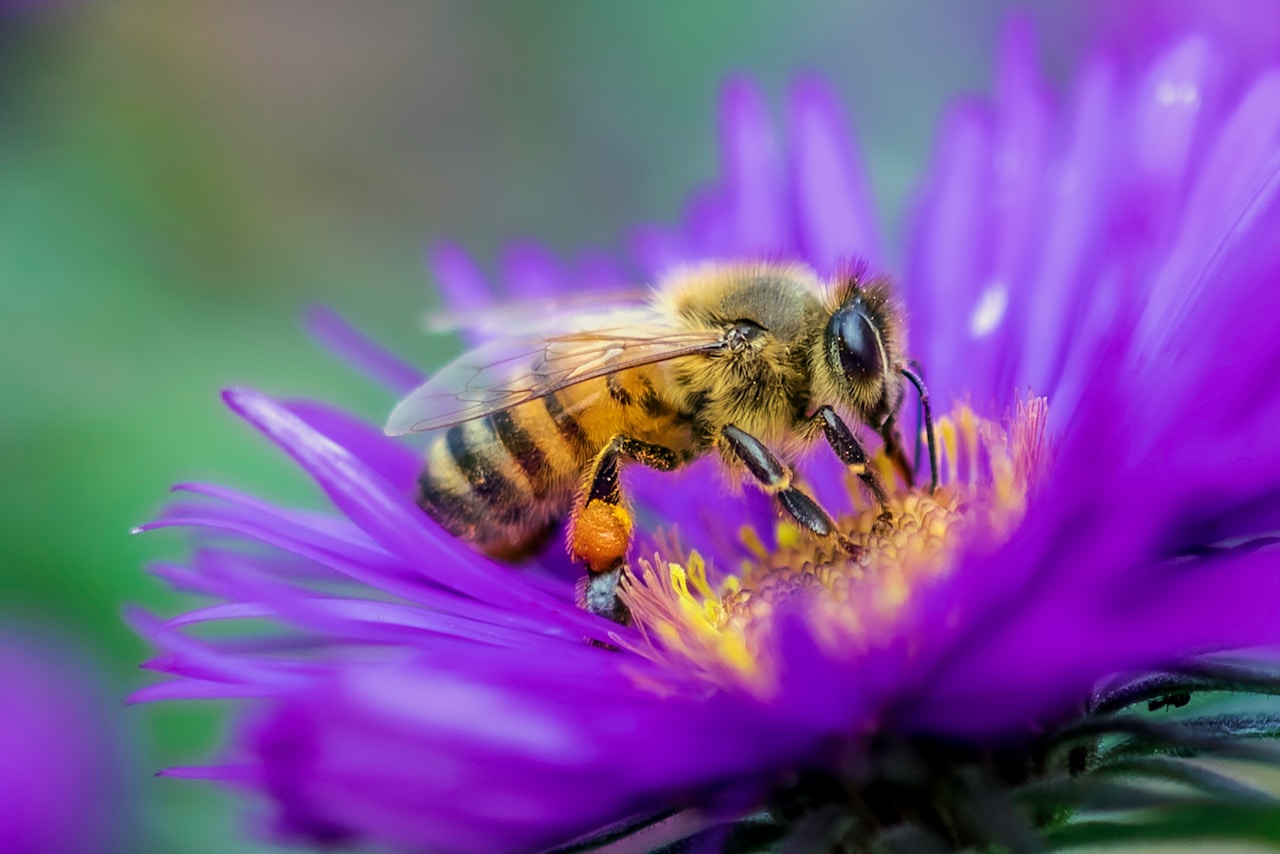
A bee sting treatment that works starts with one action: get the stinger out within 30 seconds. The longer a honeybee's barbed stinger stays embedded in skin, the more venom it pumps into the wound -- research from Cornell University's entomology department confirms that removing the stinger within the first 15-30 seconds significantly reduces the total venom dose and resulting swelling.
Most people will experience a bee sting at some point. According to the American College of Allergy, Asthma & Immunology (ACAAI), the lifetime prevalence of being stung by a bee, wasp, or hornet ranges from 56.6% to 94.5% in adults. The overwhelming majority of these stings are painful but harmless, resolving within a few hours to a few days.
This guide covers step-by-step first aid, home remedies supported by actual evidence, the critical difference between a normal reaction and anaphylaxis, and specific guidance for beekeepers who get stung regularly.
TL;DR: Remove the stinger immediately by scraping (not squeezing), wash with soap and water, apply ice for 10-15 minutes, and take an antihistamine for itching. Seek emergency help if you experience throat swelling, difficulty breathing, dizziness, or hives spreading beyond the sting site. Most stings resolve in 1-3 days. Swelling can peak at 48 hours and last up to a week.
How to Treat a Bee Sting: 5 First Aid Steps
The first few minutes after a honeybee sting determine how much venom enters your system and how severe your reaction will be. Follow these steps in order.
Step 1: Remove the Stinger Immediately
Honeybees are the only common stinging insect that leaves its barbed stinger behind. The stinger continues pumping venom for 2-3 minutes after the bee detaches, so speed matters more than technique.
Scrape the stinger out with a fingernail, credit card edge, or piece of gauze. Scrape across the skin in one firm motion.
A common myth says you should never use tweezers because squeezing the venom sac pushes more venom in. The American Academy of Dermatology (AAD) now says the method of removal matters less than the speed -- just get it out fast. That said, scraping avoids compressing the venom sac entirely, so it remains the preferred approach.
Step 2: Wash the Sting Site
Clean the area thoroughly with soap and water. This prevents infection and removes any residual venom on the skin surface.
Step 3: Apply a Cold Compress
Wrap ice or a cold pack in a cloth and apply it to the sting for 10-15 minutes at a time. According to the Mayo Clinic, cold therapy is one of the most effective bee sting treatments for reducing both pain and swelling. Repeat every few hours as needed during the first day.
Step 4: Manage Pain and Swelling
Take over-the-counter medication based on your symptoms:
- Pain: Ibuprofen (Advil) or acetaminophen (Tylenol) as directed
- Itching: An oral antihistamine like diphenhydramine (Benadryl) or loratadine (Claritin)
- Localized swelling: Hydrocortisone cream (1%) applied directly to the sting site
Step 5: Monitor for Allergic Reactions
Watch for symptoms beyond the sting site for at least 30-60 minutes. Normal reactions stay localized. Allergic reactions spread.
Pro Tip: Beekeepers and parents should keep a basic bee sting first aid kit accessible at all times -- antihistamine tablets, hydrocortisone cream, cold packs, and a credit card or flat scraper. If you have a known venom allergy, carry a prescribed epinephrine auto-injector (EpiPen) and make sure people around you know where it is.
Normal Bee Sting Reactions vs. Allergic Reactions
Not every bad reaction to a bee sting means you are allergic. Understanding the difference can prevent unnecessary panic -- and help you recognize a genuine emergency.
Normal (Non-Allergic) Reaction
The vast majority of bee stings produce a localized reaction:
- Sharp pain or burning at the sting site lasting 1-2 hours
- Redness and swelling around the sting, typically under 2-3 inches in diameter
- Itching that develops as swelling subsides
- Full resolution within 1-3 days
This is your immune system doing its job. No medical attention needed.
Large Local Reaction
About 10% of people develop a large local reaction. This is uncomfortable but not life-threatening:
- Swelling larger than 3 inches in diameter around the sting
- Swelling that continues to increase for up to 48 hours
- Redness and warmth extending well beyond the sting
- Peak symptoms at 2-3 days, with full resolution in 5-10 days
Large local reactions can look alarming -- a sting on the hand might cause swelling up to the elbow. Despite the dramatic appearance, these reactions stay connected to the sting site and do not indicate systemic anaphylaxis. However, people who experience large local reactions have about a 5-10% chance of developing a systemic reaction to a future sting, according to the ACAAI.
Systemic Allergic Reaction (Anaphylaxis)
This is the emergency. Anaphylaxis affects the entire body and can progress to life-threatening shock within minutes. The Cleveland Clinic reports that anaphylaxis typically begins within 10 minutes of the sting, though delayed reactions can occur up to 12 hours later.
Call 911 immediately if you observe any of these symptoms:
- Difficulty breathing or wheezing
- Swelling of the tongue, throat, or lips
- Hives or flushed skin appearing away from the sting site
- Dizziness, lightheadedness, or fainting
- Rapid or weak pulse
- Nausea, vomiting, or diarrhea
- A sense of impending doom (this is a real medical symptom of anaphylaxis)
Systemic allergic reactions to insect stings affect up to 5% of the general population during their lifetime, and the rate is significantly higher among beekeepers -- up to 32%, according to a review published in the Journal of Asthma and Allergy.
| Reaction Type | Symptoms | Duration | Action Required |
|---|---|---|---|
| Normal | Localized pain, redness, minor swelling under 3 inches | 1-3 days | Home treatment: ice, antihistamine, pain relief |
| Large Local | Swelling over 3 inches, extending beyond sting area | 5-10 days | Home treatment; see doctor if it worsens after 48 hours |
| Systemic (Anaphylaxis) | Breathing difficulty, hives, throat swelling, dizziness | Minutes to hours | Call 911 immediately; use EpiPen if available |
Home Remedies for Bee Stings: What Works and What Doesn't
The internet is full of bee sting home remedies. Some have genuine evidence behind them. Others are folk medicine with no demonstrated benefit. Here is what the research actually says.
Remedies with Evidence
Ice/cold compress -- The single most effective home remedy. Cold constricts blood vessels, slows venom absorption, and numbs pain. The AAD and Mayo Clinic both recommend it as a front-line treatment. Apply 10-15 minutes on, then off.
Honey -- Ironic as it sounds, applying raw honey to a bee sting has some support. A 2012 review in the journal Wounds found that medical-grade honey reduces inflammation and has antimicrobial properties that help prevent wound infection. Manuka honey showed the strongest effects. Apply a small amount to the sting and cover with a loose bandage. The wound-healing properties of raw honey are well-documented even outside the context of stings.
Baking soda paste -- Mixing baking soda with water creates a mildly alkaline paste that may help neutralize the acidic compounds in bee venom (bee venom has a pH between 5.0 and 5.5). Some dermatologists recommend it, though controlled studies are limited.
Aloe vera gel -- Contains anti-inflammatory and antibacterial compounds. A 2019 study in the Iranian Journal of Medical Sciences confirmed aloe vera's wound-healing properties. Apply fresh gel from the plant or a commercial pure aloe product.
Remedies with Limited or No Evidence
- Toothpaste -- Commonly suggested online but no clinical evidence supports it
- Apple cider vinegar -- May cause skin irritation on a fresh sting; no controlled studies confirm benefit
- Wet aspirin tablet -- Theoretical anti-inflammatory benefit, but no evidence it absorbs through skin effectively
- Meat tenderizer (papain) -- The enzyme papain supposedly breaks down venom proteins, but clinical trials have not confirmed this
- Essential oils -- Lavender and tea tree oil are popular suggestions with no rigorous evidence for bee sting treatment
Pro Tip: Experienced beekeepers typically skip the folk remedies entirely and stick with the combination that works fastest: scrape, wash, ice, antihistamine. After handling bees for years, most find that repeated exposure reduces the severity of localized reactions over time -- the body builds some degree of tolerance with regular, low-dose exposure.
Bee Sting Swelling Timeline: What to Expect
Knowing the normal progression of bee sting swelling helps you decide whether your reaction needs medical attention or just patience.
Hour-by-Hour Breakdown
- 0-15 minutes: Sharp pain, immediate redness, small raised welt at the sting site
- 15-60 minutes: Pain begins to fade to a dull ache; swelling starts to increase
- 1-6 hours: Swelling continues expanding; itching often begins
- 6-24 hours: Swelling may still be increasing; pain is typically manageable
- 24-48 hours: Swelling usually peaks; this is the worst it will look
- 48-72 hours: Swelling begins to decrease; itching may intensify before resolving
- 3-7 days: Most stings are fully resolved; large local reactions may take up to 10 days
When Swelling Means Trouble
See a doctor if:
- Swelling increases significantly after 48 hours (it should be decreasing by then)
- Red streaks radiate outward from the sting (possible sign of infection)
- The area becomes increasingly warm, tender, or develops pus
- You develop a fever
- You were stung multiple times (10+ stings in an adult, fewer in children)
Multiple stings can cause a toxic reaction even in people without allergies. The USDA Agricultural Research Service notes that the average lethal dose for an adult human is approximately 500-1,000 stings, but far fewer can cause serious illness -- particularly in children, elderly individuals, or people with existing health conditions.
Honey Bee Sting vs. Wasp Sting: Key Differences
People often use "bee sting" and "wasp sting" interchangeably, but the insects, their venom, and the appropriate treatment differ in important ways.
Stinger Anatomy
Honeybees leave their barbed stinger behind and die after stinging. This means a honeybee stings exactly once. The stinger and attached venom sac continue pumping venom after separation, which is why fast removal matters.
Wasps (including yellowjackets and hornets) have smooth stingers that retract after each use. A single wasp can sting multiple times in succession, injecting venom with each strike.
Venom Composition
Bee venom and wasp venom are chemically distinct:
- Bee venom is acidic (pH 5.0-5.5) and primarily composed of melittin (50-60% of dry venom), which destroys cell membranes and causes pain. It also contains phospholipase A2, an enzyme responsible for most allergic reactions to bee stings.
- Wasp venom is closer to neutral pH (6.8-7.0) and contains different primary compounds: antigen 5, acetylcholine, and serotonin.
Because the allergens differ, a person allergic to bee stings is not necessarily allergic to wasp stings, and vice versa. Allergy testing distinguishes between the two venoms.
Treatment Differences
| Factor | Honeybee Sting | Wasp Sting |
|---|---|---|
| Stinger left behind | Yes -- remove immediately | No -- no stinger to remove |
| Venom per sting | 50-140 micrograms | 2-15 micrograms |
| Number of stings possible | One (bee dies) | Multiple |
| Venom pH | Acidic (5.0-5.5) | Near neutral (6.8-7.0) |
| Cross-allergenicity | Not automatic | Not automatic |
First aid is essentially the same for both: clean the area, apply ice, take antihistamines for itching, and watch for allergic reactions. The only difference is step one -- checking for and removing a stinger applies only to honeybee stings.
Understanding the difference between honeybees and other species helps you identify what stung you, which matters for allergy testing and future prevention.
Bee Sting Prevention Tips for Beekeepers and Gardeners
Prevention beats treatment every time. Whether you work with bees or just share your garden with them, these strategies reduce your sting risk.
For Beekeepers
Experienced beekeepers still get stung, but they get stung far less often by following basic protocols. Proper beekeeping equipment is the foundation of sting prevention:
- Wear a full bee suit or at minimum a veil, long sleeves, and gloves during hive inspections
- Use a smoker correctly -- 2-3 gentle puffs at the entrance before opening the hive calms bees by masking alarm pheromones
- Work hives during warm, sunny, calm weather when foragers are out
- Move slowly and deliberately; rapid movements trigger defensive responses
- Avoid working hives after dark or during rainy, cold, or windy conditions
- Learn to read colony temperament -- some colonies run hotter than others, especially during swarm season
For Gardeners and Homeowners
Bees rarely sting unprovoked. Most stings happen when a bee is stepped on, trapped against skin, or feels its colony is threatened.
- Walk through gardens and pollinator areas wearing shoes
- Avoid wearing floral-scented perfumes, lotions, or hair products outdoors
- Keep food and sweet drinks covered at outdoor gatherings
- Remain calm and still if a bee lands on you -- it will likely fly away on its own
- Never swat at a bee; quick movements increase sting risk
- Wear light-colored clothing outdoors (bees are more likely to investigate dark colors)
Bee Sting Allergy Testing and Venom Immunotherapy
If you have experienced a systemic allergic reaction to a bee sting -- or you are a beekeeper concerned about developing one -- allergy testing and venom immunotherapy (VIT) are the medical options worth knowing about.
Allergy Testing
An allergist can determine your sensitivity to bee venom through two primary methods:
- Skin prick testing: A tiny amount of purified bee venom is applied to the skin via a small scratch. A raised welt within 15-20 minutes indicates sensitivity.
- Blood testing (specific IgE): Measures the level of bee venom-specific antibodies in your blood. Useful when skin testing is inconclusive or when skin conditions prevent accurate skin testing.
The ACAAI recommends allergy testing for anyone who has experienced a systemic reaction to a sting. Testing is typically done 4-6 weeks after a sting to allow antibody levels to stabilize.
Venom Immunotherapy (VIT)
For people with confirmed bee venom allergies, VIT is the closest thing to a cure. The treatment involves receiving gradually increasing doses of purified bee venom via injection over 3-5 years.
A Cochrane systematic review found that VIT reduces the risk of a future systemic reaction by approximately 90% (relative risk 0.10). The treatment also significantly improves quality of life by reducing the constant anxiety around future stings.
VIT is particularly relevant for beekeepers. With venom allergy rates of up to 32% among those who work with bees regularly, the treatment can mean the difference between giving up beekeeping and continuing safely. Discuss options with an allergist who specializes in insect venom allergy.
Bee Stings in Children and Pets
Children
Children are more vulnerable to bee stings because of their smaller body size -- the same amount of venom has a proportionally larger effect. The Boston Children's Hospital recommends the same first aid steps for children as adults, with these additions:
- Use children's-dose medications (ibuprofen, antihistamine) based on weight
- Monitor more closely for allergic reactions, especially after a first-ever sting
- Distraction and comfort matter -- a calm child holds still for treatment
- Teach children not to swat at bees or disturb ground nests
Multiple stings are more dangerous for children. Seek medical attention if a child receives more than 5-10 stings, even without allergic symptoms.
Dogs and Other Pets
Dogs commonly get stung on the nose or paw after investigating a bee too closely. If your dog is a yard companion while you tend hives, watch for:
- Excessive pawing at the face or licking a paw
- Swelling of the muzzle, face, or paw
- Whimpering or agitation
For most dogs, a single sting is uncomfortable but not dangerous. Remove the stinger if visible, apply a cold compress, and contact your veterinarian if swelling is severe or if your dog shows signs of a systemic reaction (difficulty breathing, vomiting, collapse). Some pet owners reach for honey afterward; our guides to raw honey for dogs and whether cats can eat honey cover when small amounts are tolerated, but veterinary guidance comes first for anything beyond a mild reaction.
Frequently Asked Questions About Bee Stings
How long does a bee sting last?
A normal bee sting causes pain for 1-2 hours, with swelling that peaks at 24-48 hours and resolves within 3-5 days. Large local reactions can take 7-10 days to fully resolve. If symptoms persist beyond 10 days or worsen after 48 hours, see a doctor.
Can you die from a bee sting?
Yes, but it is rare. According to CDC data from 2011-2021, an average of 72 people per year in the United States died from hornet, wasp, and bee stings, with 84% of deaths occurring in males. Nearly all fatalities result from anaphylactic shock in individuals with venom allergies who did not receive timely epinephrine treatment.
Does honey help a bee sting?
Raw honey has documented anti-inflammatory and antimicrobial properties that may help with wound healing when applied topically. A review published in the journal Wounds found that medical-grade honey reduces inflammation around sting sites. It is not a substitute for proper first aid (stinger removal, ice, antihistamine) but can be used as a complementary treatment.
Should you squeeze out bee venom?
No. Squeezing the sting site or the venom sac can push more venom deeper into the tissue. Scrape the stinger out with a flat edge and let ice and your immune system handle the rest.
Do beekeepers become immune to bee stings?
Not immune, but many develop increased tolerance. Regular exposure to small amounts of venom can desensitize the immune response over time. Some veteran beekeepers report barely noticing stings after years of keeping bees. However, this natural desensitization is unpredictable -- some beekeepers develop increased sensitivity with repeated exposure, which is why monitoring for worsening reactions remains important throughout a beekeeping career.
When should I go to the ER for a bee sting?
Go to the emergency room immediately if you experience: difficulty breathing, throat or tongue swelling, widespread hives, dizziness, rapid pulse, or loss of consciousness. Also seek emergency care for 10+ stings in adults or 5+ stings in children, stings inside the mouth or throat, or any sting in a person with a known venom allergy who does not have an EpiPen.
Keep Learning About Bees
Bee stings are an unavoidable part of sharing the world with these essential pollinators. Understanding how to treat a sting properly turns a painful moment into a minor inconvenience.
If this guide brought you here because you are thinking about starting a hive, do not let the fear of stings hold you back. Read our complete beginner's guide to beekeeping and our breakdown of first-year beekeeping costs to see what getting started actually involves. With proper equipment, calm technique, and the first aid knowledge you now have, stings become a manageable part of working with one of nature's most remarkable creatures.
Curious about the science behind bee venom therapy? Explore how the same venom that causes pain is being studied for its therapeutic potential in treating inflammation, arthritis, and immune disorders.
Learn Beekeeping the Northern California Way
Eight written modules built around Northern California seasons — first inspection through first harvest, with printable checklists.
Keep reading
Beekeeping & Sustainability
How to Start Beekeeping: The Complete Beginner's Guide to Your First Hive
Colony losses hit a record 55.6% in 2024-2025, making new beekeepers more important than ever. This step-by-step guide covers everything from equipment and hive selection to seasonal management and first-year mistakes, so you can start your first hive with confidence.
Beekeeping & Sustainability
Beekeeping Equipment & Supplies Checklist: What You Actually Need to Start
Starting a hive costs $400-800 for equipment, but half the items in most 'starter kits' are unnecessary. This no-fluff checklist covers exactly what you need to start beekeeping, what can wait, what to skip entirely, and where to spend versus save.
Beekeeping & Sustainability
Honey Bee Diseases: How to Identify 8 Common Threats
U.S. beekeepers lost 55.6% of managed colonies in 2024-2025, and disease ranks among the top drivers alongside varroa mites. This field-ready guide covers the 8 most common honey bee diseases -- from American foulbrood to Nosema -- with visual symptom descriptions, prevention protocols, and treatment options so you can catch problems before they destroy a colony.
Raw Honey Benefits & Education
Raw Honey for Wound Care: What Science Says
Before modern antibiotics, honey was the go-to wound dressing. Science is now validating what healers knew centuries ago—raw honey promotes wound healing in ways no synthetic product fully replicates.