
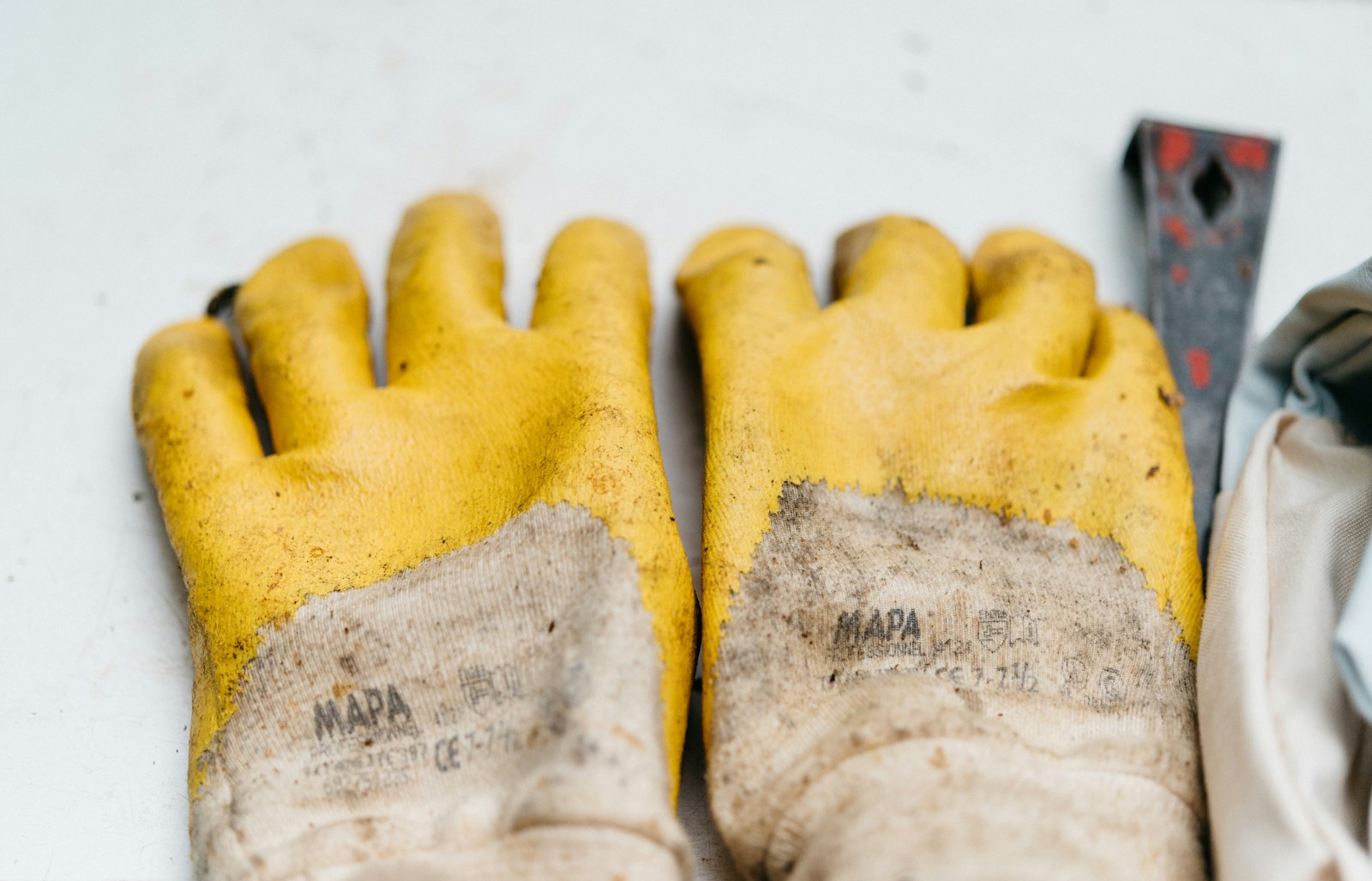
The best gifts for beekeepers are things they use at every inspection or every harvest: a good hive tool, a smoker that stays lit, well-fitting gloves, a ventilated suit, a trusted reference book or course, and harvest gear like a refractometer. Novelty bee-print mugs and socks are fine as add-ons, but they are not what a beekeeper will thank you for in June.
Two questions narrow the list quickly:
- Are they a beginner or experienced? Beginners need basic tools and knowledge. Someone in their second or third season usually has the basics and wants upgrades.
- What is your budget? Most of the useful gifts fall under $50. The expensive ones (suits, extractors, hive kits) are worth it only if you know what they already own.
A note on prices: third-party gear prices below are what major U.S. beekeeping suppliers listed in September 2026, and they change often. Where we could not confirm a price, we give the budget band instead of a made-up number.
Quick picks by budget
| Budget | Beginner | Experienced keeper |
|---|---|---|
| Under $50 | J-hook hive tool, The Beekeeper's Handbook, inspection journal | Goatskin gloves, queen marking kit, spare hive tool, frame grip |
| $50-$150 | Stainless smoker, The Complete Beekeeper Course ($79.99) | Refractometer, uncapping and bottling setup, mite testing kit |
| $150+ | Ventilated suit, beginner hive kit (only if they are committed) | Hand-crank extractor, hive scale or monitor |
If you only buy one thing for a beginner, make it knowledge (a book or a course). If you only buy one thing for an experienced keeper, ask what is worn out.
Gifts for beginner beekeepers
These are for someone getting their first hive this coming spring, or someone who has talked about it for years.
1. A structured beekeeping course
Most first-year losses come from things a beginner did not know to look for: a failing queen, a mite load that crept up over summer, a hive that swarmed while they waited. A structured course gives them a season-by-season plan before the bees arrive.
The Complete Beekeeper Course ($79.99) is our own course, so here is exactly what it is:
- A self-paced, written course. It is not video. Some people prefer text they can reread in the bee yard; others learn better from video. Know which your recipient is.
- 8 modules and more than seven hours of written lessons, from first hive through first harvest, including a dedicated safety lesson on stings and allergic reactions.
- Printable resources: a Northern California seasonal calendar, a hive inspection checklist, a varroa cheat sheet, a first-year budget and an equipment shopping list.
- Knowledge checks, a completion certificate and lifetime access, with a 30-day money-back guarantee.
- Built around Northern California timing. The biology applies anywhere, but the calendar is local. For someone keeping bees in a very different climate, a course from their state's extension service or bee association may fit better.
Course access is unlocked with the email address used at checkout, so for a surprise gift, contact us before ordering to ask about setting it up in the recipient's name.
If you want to compare options, including university and extension programs, see our comparison of online beekeeping courses.
2. The Beekeeper's Handbook by Sammataro and Avitabile
The fifth edition (2021) of this long-running reference is one of the most commonly recommended beginner books, with clear diagrams and a layout that works for quick lookups. List price is $31.95 and it is often discounted. Pair it with Honeybee Democracy by Thomas Seeley for a reader who wants the science of how swarms choose a new home.
3. J-hook hive tool
The hive tool is the most-used piece of gear a beekeeper owns. The hooked end lifts frames out without rolling bees, and the flat end scrapes and pries. Dadant listed a basic J-hook for $12.95 in September 2026. It is cheap enough that a second one is always welcome, because they get left in the grass.
Skip: painted "gift set" hive tools with soft metal that bends the first time a propolis-glued box is pried apart.
4. A stainless smoker with a heat shield
A smoker that goes out mid-inspection is a real problem. Look for stainless steel, a 4x7 inch firebox (the common beginner size), and a heat shield so no one burns a hand on it. Dadant's American-made 4x7 stainless smoker with shield was $55.95 in September 2026. Our bee smoker guide covers sizes and fuel.
5. An inspection journal
Keeping notes on each hive (date, weather, eggs seen, queen seen, temperament, mite count, food stores) is how beekeepers spot a trend before it becomes a dead-out. A weatherproof notebook with a simple template is enough. Our hive inspection checklist lists what to record.
6. Bee-friendly plants
A tray of pollinator plants suited to their region (in Northern California, think lavender, salvias, California poppy, buckwheat and ceanothus) is a thoughtful gift that also helps the bees. See our bee-friendly plants guide.
7. A ventilated suit or jacket
Beginners often start in a cotton jacket and veil. A ventilated mesh suit or jacket is cooler in summer heat, which means calmer, slower inspections. This is a $150+ gift and fit matters, so only buy it if you know their size, or give it with a gift receipt. Our beekeeping suits guide explains the differences.
8. A beginner hive kit (only for the committed)
A complete hive (bottom board, boxes, frames, inner and outer cover) removes a lot of shopping decisions for a new keeper. Only give it to someone who has already decided to keep bees and has a place to put them. Bees themselves are usually ordered separately for spring pickup, and local rules may require registration. California beekeepers, for example, must register their hives with their county agricultural commissioner; see our California beekeeping laws guide. Compare hive styles in our beginner hive kit guide.
Gifts for experienced beekeepers
These are for someone who has made it through at least one winter and already owns the basics.
9. Goatskin gloves
Leather goatskin gloves are thinner than cowhide, so they give better dexterity for handling frames and queens while still stopping most stings. Vented sleeves help in hot weather. An under-$50 gift that wears out and needs replacing, which makes it a safe bet.
10. Queen marking kit
A queen catcher, a marking tube or cage, and a paint pen in the current year's color make finding the queen much faster. The international color code for years ending in 1 or 6 is white, so 2026 queens are marked white.
11. Frame grip
A spring-loaded frame grip lifts a frame by the top bar with one hand. Small, cheap, and something many keepers never buy for themselves.
12. Refractometer
Honey needs to be dry enough before it is bottled, or it can ferment. A honey refractometer measures moisture from a drop or two. Manual models are the budget option and digital ones cost more. Either comes with calibration fluid, which should be used before each session.
13. Uncapping and bottling setup
An uncapping fork or knife, a food-grade bucket with a honey gate, and a double strainer turn a messy kitchen harvest into a clean one. Our honey extraction guide shows where each piece fits.
14. Mite testing kit
Varroa mites are the leading threat to managed honey bee colonies, and regular monitoring is how beekeepers decide when to treat. An alcohol wash or sugar roll jar with a measuring cup is inexpensive and gets used every month of the season. The Honey Bee Health Coalition publishes free guides on testing methods. See also our varroa treatment timing guide.
15. Hand-crank honey extractor
For someone running a few hives and still crushing and straining comb, a two-frame hand extractor is a major upgrade. This is a $300-range gift for stainless steel (Dadant's 2-frame hand extractor was $309.95 in September 2026); plastic models cost less. Check first: many bee clubs lend extractors to members. Our honey extractor buying guide covers manual versus electric.
16. Hive scale or monitor
A hive scale shows weight gain during a nectar flow and weight loss over winter without opening the box. It is a gadget most keepers want but will not buy themselves, and prices vary widely by feature set. See our smart hive monitoring guide.
17. Master beekeeper program fees
For a serious keeper, paying for a level of a state or university master beekeeper program is a meaningful gift. Programs and fees vary; our guide to master beekeeper certification explains how the levels work.
Stocking stuffers for beekeepers
Small add-ons that pair with a main gift:
- 18. Honey sticks. A 10 pack is $6.99. Beekeepers eat honey too, and sticks travel to the bee yard without a sticky spoon.
- 19. Beeswax candles. Tea lights (6 pack) are $12.99; a 10" taper pair is $14.99. A nice nod to what the bees make besides honey.
- 20. A spare hive tool or paint pen. Every beekeeper loses both.
For the honey lover who does not keep bees
If the person on your list loves honey but has no interest in a hive, skip the gear. A jar of raw wildflower honey (16 oz, $24.99) or a piece of raw honeycomb (4 oz, $25.00) makes a better gift. Our best honey gifts guide has ideas by budget and recipient, with combinations and order-by tips for the holidays.
What to skip
- Novelty bee-print clothing and mugs as the main gift. Fine as an extra.
- Cheap all-in-one "starter kits." Soft tools and leaky smokers get replaced within a season. A few good single items beat a big bundle.
- Live bees as a surprise. Bees need a prepared site, a committed keeper, and in many places registration. Give equipment or a course and let them choose the bees.
- Unlabeled honey with no clear source. A beekeeper will notice. Give raw honey from a named producer instead. Our guide to what is wrong with cheap honey explains why.
Frequently Asked Questions
What do you buy a beekeeper for Christmas?
Buy something they use every inspection: a J-hook hive tool, a stainless smoker with a heat shield, goatskin gloves, or a queen marking kit. For a beginner, a reference book or a structured course is the most useful gift. If they have been keeping bees for years, ask what is worn out rather than guessing.
What is a good gift for a beginner beekeeper?
Knowledge first, tools second. The Beekeeper's Handbook or a structured course like The Complete Beekeeper Course ($79.99, written and self-paced) helps them avoid common first-year mistakes. Add a hive tool and a smoker if they do not already have them.
Is a beekeeping course a good gift?
Yes, for someone who has decided to keep bees or is seriously considering it. Match the format to how they learn: our course is written, not video. Also check the course fits their climate, since seasonal timing varies a lot between regions.
How much should I spend on a gift for a beekeeper?
Most useful beekeeping gifts cost under $50: hive tools, gloves, books, marking kits and journals. Smokers, courses, refractometers and mite testing kits sit between $50 and $150. Suits, extractors and hive kits cost more, and are best bought when you know exactly what they already own.
Can you give someone a beehive as a gift?
You can give the equipment, but do not give live bees as a surprise. Keeping bees requires a suitable location, time, and in many states registration. A hive kit for someone who has already committed, with bees ordered by them for spring, is the right way to do it.
What do you get a beekeeper who has everything?
Consumables and upgrades: new gloves, a spare hive tool, a refractometer, a hive scale, or fees for a master beekeeper program. Or give them something from another beekeeper, like a jar of raw honey from a different region to taste against their own.
Last updated: September 22, 2026
Learn Beekeeping the Northern California Way
Eight written modules built around Northern California seasons — first inspection through first harvest, with printable checklists.
Keep reading
Buyer Guides
Best Honey Gifts 2026: Ideas by Budget and Recipient
A practical honey gift guide: what to give under $15, $15-$40 and $40+, what suits a foodie, a tea drinker, a host, a coworker or a beekeeper, how to wrap it, and when to order so it arrives in time.
Beekeeping & Sustainability
Best Online Beekeeping Courses Compared (2026)
Online beekeeping courses range from free extension courses to Cornell's $899 master certificate program. This comparison covers university programs, extension courses, a regional Northern California course, and self-paced platforms, with prices checked in September 2026 and honest notes on what each teaches and who it suits.
Beekeeping & Sustainability
Beekeeping Equipment & Supplies Checklist: What You Actually Need to Start
Starting a hive costs $400-800 for equipment, but half the items in most 'starter kits' are unnecessary. This no-fluff checklist covers exactly what you need to start beekeeping, what can wait, what to skip entirely, and where to spend versus save.
Buyer Guides
Best Beekeeping Suits 2026: Ventilated vs Cotton, Full Suit vs Jacket
A no-fluff buyer's guide to the best beekeeping suit for 2026. Ventilated 3-layer mesh vs cotton, full suit vs jacket-and-veil, and the right veil style for your face shape, climate, and sting tolerance.