
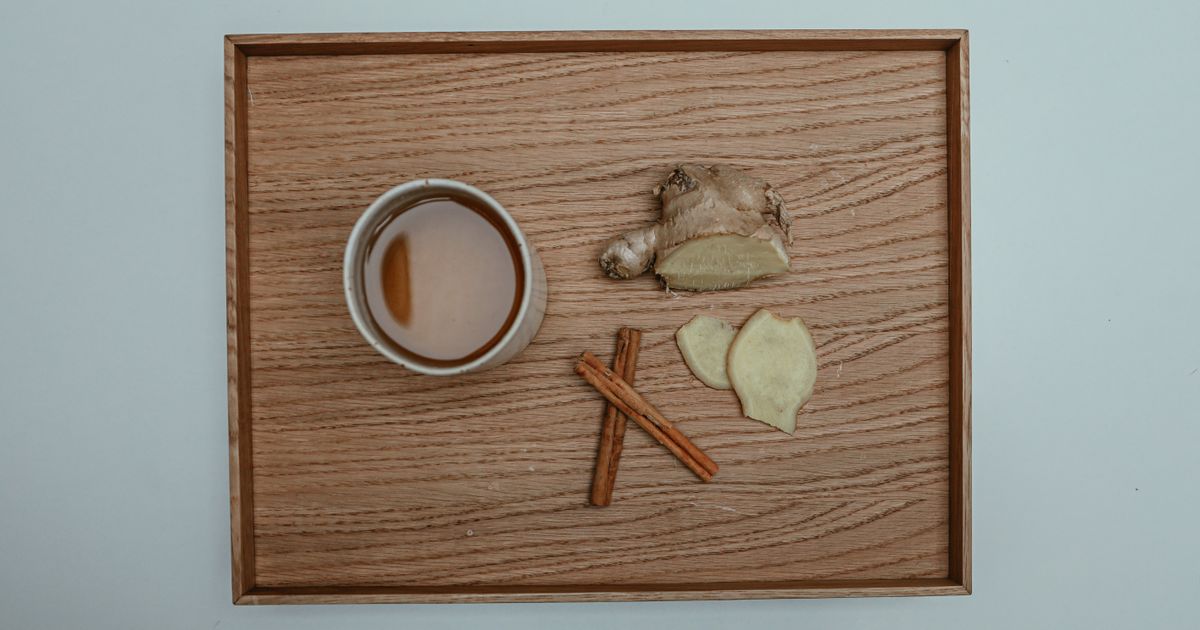
Honey ginger tea is a two-ingredient drink that most people get slightly wrong: too little ginger, not enough simmer time, and honey dumped into water that is still boiling. The fix is simple. Use a 2-inch piece of fresh ginger for every 2 cups of water, simmer it for 10 minutes with the lid on, and stir the honey in after the tea has come off the heat for a minute.
That is the whole recipe. Everything below is about getting the strength right, making it faster on weekday mornings, and choosing a honey that tastes like something in the cup.
TL;DR: Simmer 2 inches of sliced fresh ginger in 2 cups of water for 10 minutes. Strain, wait one minute, then stir 1 to 2 teaspoons of raw honey into each mug. For a 60-second version, keep a jar of ginger concentrate in the fridge and top it up with hot water.
Honey Ginger Tea at a Glance
| Yield | 2 mugs (about 8 oz each) |
| Prep time | 2 minutes |
| Simmer time | 10 minutes |
| Ginger | 2-inch piece, thinly sliced |
| Honey | 1 to 2 teaspoons per mug |
| Best season | September through March |
Ingredients
For two mugs:
- 2-inch piece of fresh ginger root (about 1 oz, or 3 tablespoons once sliced)
- 2 cups water
- 2 to 4 teaspoons raw honey, to taste
- Lemon wedge, optional
- Pinch of ground cinnamon, optional
Fresh ginger should feel firm and heavy for its size, with smooth, tight skin. A piece that has gone soft or wrinkled has lost most of its flavor and will make a flat tea no matter how long you simmer it.
How to Make Honey Ginger Tea
Step 1: Slice the ginger
Scrub the ginger under running water and slice it into coins about 1/8 inch thick. Thinner slices give up more flavor in less time. Peeling is optional. The skin on young ginger is thin and adds nothing bitter once it has simmered, so most of the time we leave it on.
If you want a stronger tea without simmering longer, smash each coin lightly with the flat of a knife before it goes in the pot.
Step 2: Simmer for 10 minutes
Put the ginger and 2 cups of water in a small saucepan. Bring it to a boil, then turn the heat down until it barely bubbles, put the lid on, and let it simmer for 10 minutes. The lid matters. Ginger's aromatic compounds are volatile, and an open pot sends a good share of them out of the kitchen instead of into the cup.
For a sharper, spicier tea, go to 15 minutes. For a milder cup, pull it at 7 or 8.
Step 3: Strain
Pour the tea through a fine-mesh strainer into two mugs. You can toss the ginger, or drop it back into the pot with fresh water for a second, gentler batch.
Step 4: Wait one minute
Let the mugs sit for about a minute. The tea only needs to drop below a rolling boil. Honey is very forgiving, but raw wildflower honey has floral, slightly fruity notes that come through more clearly when it is stirred into hot rather than boiling water. The same principle applies when you sweeten coffee with honey.
Step 5: Stir in honey and lemon
Add 1 to 2 teaspoons of raw honey to each mug and stir until it disappears. Squeeze in a wedge of lemon if you like the brightness. Taste before adding more honey. Ginger's heat builds for a few seconds after each sip, and a tea that seems undersweet at first often lands right once the ginger settles in.
Fresh vs. Ground vs. Dried Ginger
Fresh ginger makes the best tea, but it is not the only option.
| Ginger type | Amount per 8 oz | Method | Flavor |
|---|---|---|---|
| Fresh root, sliced | 1-inch piece | Simmer 10 minutes | Bright, warm, slightly citrusy |
| Fresh root, grated | 1 teaspoon | Steep 5 minutes in just-boiled water | Sharper, more heat, cloudier cup |
| Dried ginger slices | 4 to 5 slices | Simmer 10 minutes | Earthy, less aromatic |
| Ground ginger | 1/4 teaspoon | Whisk into hot water, let settle | Dusty, one-dimensional, sediment at the bottom |
Grated fresh ginger is the fastest route to a strong cup. It does not need a saucepan at all. Put a teaspoon of grated ginger in a mug, pour just-boiled water over it, cover with a saucer for five minutes, and strain or let the pulp settle. Ground ginger works in a pinch but never quite dissolves, so expect grit in the last sip.
Make-Ahead Ginger Concentrate
If you drink this most mornings, stop making it one pot at a time.
Concentrate:
- 6-inch piece of fresh ginger (about 4 oz), thinly sliced
- 4 cups water
Simmer the ginger and water, covered, for 20 minutes. Strain into a clean jar and refrigerate. It keeps for about 5 days in the fridge, or freeze it in an ice cube tray for up to 3 months.
To serve: Pour 1/4 cup of concentrate into a mug, top with 3/4 cup of hot water, and stir in honey. Two frozen cubes dropped into a mug of hot water works the same way. Either version takes about a minute.
Do not add the honey to the concentrate. Sweeten each mug individually, so the jar stays flexible enough to use in other fall honey drinks like a hot toddy or a spiced cider.
Variations
Honey ginger lemon tea. Add the juice of half a lemon per mug. This is the classic combination, and if you are looking for the version most people reach for in cold season, our honey lemon tea guide covers it with several twists.
Cinnamon stick. Drop a cinnamon stick into the pot for the simmer. It rounds off ginger's sharp edge and makes the whole thing taste like October.
Apple cider vinegar. A teaspoon of raw apple cider vinegar in the mug turns this into a tangier cousin of our honey lemon apple cider vinegar drink. Start with less than you think.
Iced honey ginger tea. Make the concentrate, sweeten it while it is still warm so the honey dissolves, chill, and pour over ice with a splash of sparkling water.
Ginger tea with black tea. Simmer the ginger as usual, then steep a black tea bag in the strained liquid for 3 minutes before adding honey. It drinks like a stripped-down chai.
Which Honey to Use
A mild honey disappears behind ginger. A honey with some character shows up.
- Raw wildflower honey is the one we use at home. It carries enough floral depth to stay noticeable next to ginger without competing with it. Our raw California wildflower honey is what most of the mugs in this house get.
- Clover honey is cleaner and sweeter with less aroma. It works, but the tea reads as "sweet ginger water" rather than "honey ginger tea." The raw honey vs. clover honey comparison goes into why they taste so different.
- Darker honeys like buckwheat overpower ginger. Save them for toast.
For a thermos or an office mug, a honey stick holds about a teaspoon and squeezes straight into the tea without a spoon. Our jar vs. honey sticks for tea guide compares the cost per cup.
Storage
- Brewed tea (unsweetened): 5 days refrigerated in a sealed jar. Reheat gently on the stove or in the microwave.
- Brewed tea (sweetened): 3 days refrigerated. Honey does not spoil, but the lemon and ginger flavors fade faster once sweetened.
- Ginger concentrate: 5 days refrigerated, 3 months frozen in cubes.
- Fresh ginger root: 3 weeks in the crisper drawer in a paper bag, or 6 months frozen whole. Frozen ginger grates more easily than fresh.
Frequently Asked Questions
Should I peel ginger before making tea?
No. Ginger skin is thin, edible, and carries no bitterness once simmered. Scrub it well and slice. Peel only if the skin is thick, dry, or wrinkled, which means the root is past its best anyway.
How much honey goes in ginger tea?
Start with 1 teaspoon per 8-ounce mug and taste. Most people settle between 1 and 2 teaspoons. Ginger's heat makes tea seem less sweet than it is, so give each sip a few seconds before deciding to add more.
Can I make honey ginger tea in a teapot instead of a saucepan?
Yes, with grated ginger. Put 1 teaspoon of grated fresh ginger per cup into the pot, fill with just-boiled water, and steep 5 to 7 minutes with the lid on. Sliced ginger needs a real simmer to give up its flavor, so it is better on the stove.
Can I give honey ginger tea to a child?
Not to an infant under 12 months. Honey can contain Clostridium botulinum spores that an infant gut cannot yet handle (the CDC), and that applies to raw and pasteurized honey alike. For older children, make it half-strength; ginger's heat is stronger than most kids expect.
Why does my ginger tea taste weak?
Three usual causes: the ginger was old and soft, the slices were too thick, or the pot simmered without a lid. Use firm ginger, slice it thin, and keep the lid on for the full 10 minutes.
One Pot, Two Mugs, Ten Minutes
Honey ginger tea does not need a recipe card once you have made it twice. Two inches of ginger, two cups of water, ten minutes with the lid on, honey stirred in off the heat. Keep a jar of concentrate in the fridge from October onward and it becomes the fastest warm drink in the house. Pair a mug with a pan of honey baked apples and you have covered dessert too.
The honey we use for this is our own raw California wildflower honey, strained once and never fine-filtered, so it still tastes like the flowers it came from.
Cook With Real Raw Honey
Recipes taste different with unfiltered wildflower honey — more floral, less flat. Start with the 16 oz squeeze bottle.
16 oz · $24.99
Keep reading
recipes
Honey Lemon Apple Cider Vinegar Drink: A Simple Daily Wellness Tonic
Recipes
Fall Honey Drinks: 10 Warm Recipes for Cold Days
When temperatures drop, reach for these warming honey drinks. Ten recipes for cozy fall beverages—from apple cider to chai to hot toddies—all sweetened naturally with raw honey.
Recipes
DIY Honey Lemon Tea for Colds
Raw honey is a natural cold remedy backed by real clinical data. Get our beekeeper-tested honey lemon tea recipe with variations for ginger, turmeric, ACV, and thyme -- plus the science behind why it works.
Recipes
Honey in Coffee: How to Do It Right
Honey can replace sugar in your daily coffee, but temperature, timing, and honey choice all matter. Here's how to do it right—plus creative honey coffee recipes.
