
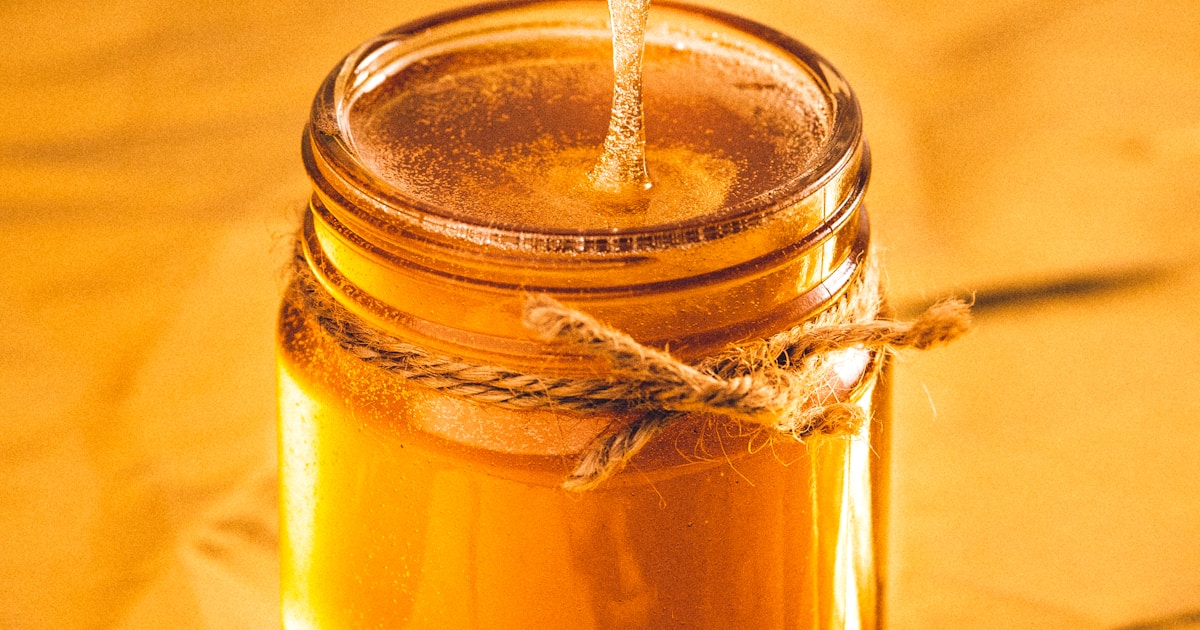
Infused honey is raw honey steeped with herbs, spices, citrus, or other aromatics until the honey absorbs their flavor. The process takes 5 minutes of hands-on work, a jar, and 1-2 weeks of patience. The result is a pantry staple that transforms tea, toast, cocktails, cheese boards, and marinades into something noticeably better.
The National Honey Board reports that Americans consume over 596 million pounds of honey annually, and flavored honey is one of the fastest-growing segments in the specialty food market. Making your own costs a fraction of store-bought infused honey (which runs $12-20 per jar) and gives you complete control over flavor intensity, ingredient quality, and variety.
This guide covers two infusion methods, 10 tested herb and spice combinations, shelf life rules, and creative uses for every batch you make.
Why Start with Raw Honey for Infusions?
Not all honey works equally well for infusions. Raw honey is the best starting point because it has not been heated above 118 degrees Fahrenheit during processing. That matters for two reasons.
First, raw honey retains its full enzyme profile. The glucose oxidase naturally present in raw honey produces small amounts of hydrogen peroxide, which contributes to honey's antimicrobial properties. According to research published in the Asian Pacific Journal of Tropical Biomedicine, these enzymes remain active only if the honey has not been pasteurized. When you infuse herbs into raw honey, those enzymes continue working alongside the botanical compounds from the herbs.
Second, raw honey has a more complex flavor. Pasteurized honey tastes uniformly sweet. Raw honey carries floral notes, earthy undertones, and subtle bitterness that interact with herbs and spices in more interesting ways than processed honey does.
Pro Tip: If your raw honey has crystallized, that is actually a sign of quality, not spoilage. Gently warm the jar in a bowl of warm water (below 110 degrees Fahrenheit) until it returns to liquid form before starting your infusion. Crystallized honey does not expire and works just as well once re-liquefied.
Choosing the right honey variety
Different honey varieties pair better with different infusion ingredients. Here is a quick reference:
- Wildflower honey: The most versatile base. Its complex, multi-floral profile complements nearly any herb or spice. A solid default choice.
- Clover honey: Mild and sweet with a clean finish. Works well when you want the infusion ingredient to dominate the flavor.
- Buckwheat honey: Dark, malty, and robust. Pairs well with warming spices like cinnamon, ginger, and star anise. Too strong for delicate herbs like chamomile.
- Orange blossom honey: Naturally citrusy. Pairs beautifully with lavender, vanilla, and cardamom.
Two Methods to Infuse Honey with Herbs
There are two standard approaches to making herb infused honey: cold infusion and warm infusion. Each has trade-offs.
Method 1: Cold infusion (recommended)
Cold infusion steeps the ingredients in room-temperature honey over 1-2 weeks. This is the preferred method because it preserves every enzyme and beneficial compound in raw honey.
What you need:
- 1 cup raw honey
- 2-3 tablespoons dried herbs or spices (or 3-4 tablespoons fresh herbs)
- A clean glass jar with a tight-fitting lid
- A fine mesh strainer or cheesecloth
Step-by-step instructions:
Add your herbs or spices to the jar. If using dried herbs, lightly crush them between your fingers to release their essential oils. If using fresh herbs, bruise the leaves gently with the back of a spoon.
Pour raw honey over the herbs. Stir gently with a clean utensil to distribute the ingredients evenly. Make sure all plant material is fully submerged in honey.
Seal the jar and place it in a warm spot. A sunny windowsill or a spot near (not on) your stove works well. Warmth accelerates flavor extraction without reaching temperatures that damage enzymes.
Flip or stir the jar once daily. This redistributes the herbs and ensures even infusion. Some herbs float, so flipping helps keep them in contact with the honey.
Taste-test after 5-7 days. If the flavor is strong enough for your preference, strain. If not, let it continue steeping for up to 2 weeks total.
Strain through a fine mesh strainer or cheesecloth into a clean jar. Press gently on the herbs to extract all the honey. Discard the spent herbs.
Timeline: 7-14 days for full flavor development.
Method 2: Warm infusion (faster results)
Warm infusion uses gentle heat to speed up the process. You sacrifice some enzyme activity but gain finished infused honey in hours instead of weeks.
Step-by-step instructions:
Combine honey and herbs in a small saucepan or double boiler. A double boiler gives you more temperature control.
Heat over the lowest possible setting for 1-2 hours. The honey should feel warm to the touch, not hot. Target 100-110 degrees Fahrenheit if you have a kitchen thermometer. Never let it simmer or bubble.
Stir occasionally and watch the temperature. If the honey starts to thin dramatically and move like water, it is too hot. Remove from heat immediately.
Let cool to room temperature, then strain into a clean jar.
Timeline: 1-2 hours active time, plus cooling.
Dried herbs vs. fresh herbs
Both work, but they behave differently in honey.
Dried herbs are the safer choice for beginners. Their low moisture content (typically under 10%) means less risk of fermentation. They also have concentrated flavor, so you need less material. Use 2-3 tablespoons of dried herbs per cup of honey.
Fresh herbs create a brighter, more vibrant flavor but carry a higher moisture content. That extra water can potentially cause fermentation in the honey over time. If you use fresh herbs, plan to strain and refrigerate the infused honey within 2 weeks, and watch for any signs of bubbling. Use 3-4 tablespoons of fresh herbs per cup of honey.
10 Infused Honey Recipes: The Best Herb and Spice Combinations
Here are 10 tested flavor combinations, organized from simplest to most adventurous.
1. Lavender honey recipe
The most popular herb infused honey for a reason. Lavender lends a floral, slightly perfumey sweetness that pairs with everything from scones to cocktails.
- Ratio: 1 cup honey + 1.5 tablespoons dried culinary lavender buds
- Method: Cold infusion, 7-10 days
- Best uses: Tea, yogurt, vanilla ice cream, honey butter, goat cheese
Use culinary-grade lavender (Lavandula angustifolia), not decorative varieties. The difference in flavor is significant.
2. Rosemary honey
Earthy, piney, and savory. Rosemary-infused honey bridges the gap between sweet and savory cooking.
- Ratio: 1 cup honey + 2 fresh rosemary sprigs (about 4 inches each)
- Method: Cold infusion, 7-10 days. Strain promptly since rosemary turns bitter if over-steeped.
- Best uses: Roasted vegetables, glazed salmon, pizza drizzle, cocktails
3. Cinnamon honey
A warming, comforting infusion. Ground cinnamon turns honey cloudy, so use whole cinnamon sticks for a cleaner result.
- Ratio: 1 cup honey + 2 whole cinnamon sticks, broken into pieces
- Method: Cold infusion, 10-14 days. Cinnamon bark takes longer to release flavor than leafy herbs.
- Best uses: Coffee sweetener, oatmeal, baking, apple dipping sauce
4. Ginger honey
Bright, spicy, and warming. Fresh ginger produces a sharper, livelier flavor than dried.
- Ratio: 1 cup honey + 2-inch piece of fresh ginger, peeled and thinly sliced
- Method: Warm infusion works best (1-2 hours). Fresh ginger's high moisture content makes cold infusion riskier.
- Best uses: Tea, stir-fry sauces, salad dressings, sore throat remedy
5. Vanilla bean honey
Luxurious and aromatic. The tiny seeds from the vanilla pod speckle the honey beautifully.
- Ratio: 1 cup honey + 1 vanilla bean, split lengthwise and seeds scraped out (add both pod and seeds)
- Method: Cold infusion, 7-14 days
- Best uses: Desserts, coffee, baking, fruit topping
6. Lemon-thyme honey
Bright citrus meets earthy herb. A sophisticated combination that elevates simple dishes.
- Ratio: 1 cup honey + 4-5 fresh thyme sprigs + zest of 1 lemon (no white pith)
- Method: Cold infusion, 5-7 days. Citrus zest infuses faster than most herbs.
- Best uses: Tea, salad dressings, roasted chicken glaze, drizzled over ricotta
7. Cardamom honey
Complex, aromatic, and slightly floral. Cardamom transforms honey into something that tastes like it belongs in a Middle Eastern pastry shop.
- Ratio: 1 cup honey + 8-10 whole green cardamom pods, lightly crushed to crack the shells
- Method: Cold infusion, 10-14 days
- Best uses: Coffee, chai tea, baklava topping, yogurt
8. Sage honey
Musky, earthy, and slightly peppery. Sage honey pairs well with rich, fatty foods.
- Ratio: 1 cup honey + 8-10 fresh sage leaves, lightly bruised
- Method: Cold infusion, 5-7 days. Sage is potent, so taste early to avoid overpowering flavor.
- Best uses: Cheese boards, roasted pork, butternut squash, brown butter dishes
9. Chile-garlic honey
A savory-sweet-spicy triple threat. This is essentially a more complex version of hot honey meets fermented honey garlic.
- Ratio: 1 cup honey + 1 tablespoon crushed red pepper flakes + 3-4 peeled garlic cloves, halved
- Method: Warm infusion recommended (the garlic's moisture content is high). Keep it under 110 degrees Fahrenheit for 1-2 hours, then strain immediately.
- Best uses: Pizza, fried chicken, wings, grilled vegetables, stir-fry glaze
10. Chamomile-lemon honey
Gentle, floral, and soothing. The chamomile adds an apple-like sweetness that blends seamlessly with honey.
- Ratio: 1 cup honey + 2 tablespoons dried chamomile flowers + zest of half a lemon
- Method: Cold infusion, 5-7 days
- Best uses: Bedtime tea, pancakes, scones, yogurt bowls
How Long Does Infused Honey Last?
Shelf life depends on one critical variable: moisture content.
Pure raw honey is hygroscopic and has a water activity level below 0.6, which means bacteria and mold cannot grow in it. The USDA confirms that properly stored honey has an indefinite shelf life. But the moment you introduce plant material with moisture, you change the equation.
Infused honey made with dried herbs lasts 2-3 months at room temperature after straining, or 6 months or more if refrigerated. Dried herbs contain so little moisture (under 10%) that they barely affect honey's water activity.
Infused honey made with fresh herbs should be strained within 2 weeks and refrigerated after straining. Fresh herbs contain 70-90% moisture. That additional water can dilute the honey enough to allow fermentation. Refrigeration slows any microbial activity.
Signs your infused honey has gone off:
- Visible bubbling or fizzing (fermentation)
- Sour or alcoholic smell
- Mold on the surface
- Off or unpleasant taste
Storage rules:
- Always use clean, dry jars and utensils
- Never introduce water into the honey jar
- Strain all plant material before long-term storage
- Store in a cool, dark place (pantry works) for dried herb infusions
- Refrigerate any infusion made with fresh ingredients
Pro Tip: Label every jar with the infusion date, ingredients, and whether you used dried or fresh herbs. After a few batches, you will have multiple jars in rotation and you will not remember which is which.
Common Mistakes When Making Infused Honey
Even a simple process has pitfalls. Avoid these errors to get the best results from every batch.
Overheating the honey
This is the most common mistake. Heating honey above 118 degrees Fahrenheit destroys the diastase enzyme. Above 140 degrees, you lose most of the beneficial compounds that make raw honey worth using in the first place. If you are using the warm infusion method, keep temperatures low and use a thermometer.
Using too much plant material
More herbs do not always mean more flavor. Excess plant material can make the honey taste bitter, astringent, or medicinal. Stick to the ratios listed in the recipes above and adjust in future batches based on your taste preference.
Not straining soon enough
Herbs left in honey indefinitely continue extracting. Rosemary, sage, and thyme can all turn bitter with prolonged steeping. Taste your infusion daily starting at day 5, and strain as soon as the flavor reaches the intensity you want.
Skipping the jar sterilization
A quick rinse is not enough. Wash your jars in hot, soapy water and dry them thoroughly. Any residual moisture or bacteria can compromise the infusion. Glass jars are preferred over plastic because they do not absorb odors or react with the honey's acidity.
Using old or low-quality dried herbs
Dried herbs lose potency over time. If your dried lavender has been sitting in the back of the spice cabinet for two years, it will produce a weak, flat infusion. Use herbs purchased within the last 6-12 months for the best results. Smell them before using them. If they do not have a noticeable aroma, they will not flavor your honey.
What Herbs Go Well with Honey? A Pairing Guide
Choosing which herbs to pair with honey is part science, part intuition. The general principle: herbs and spices with aromatic essential oils infuse most successfully because those oil-soluble compounds dissolve well into honey's sugars and trace lipids.
Herbs that pair well with honey:
- Lavender (floral, calming)
- Rosemary (piney, savory)
- Thyme (earthy, slightly minty)
- Sage (musky, peppery)
- Chamomile (apple-like, gentle)
- Mint (cooling, bright)
- Basil (sweet, peppery)
- Lemon balm (citrusy, mild)
- Bee balm / Monarda (fitting name — tastes like oregano meets bergamot)
- Rose petals (delicate floral)
Spices that pair well with honey:
- Cinnamon (warming, sweet)
- Ginger (bright, spicy)
- Cardamom (complex, floral)
- Star anise (licorice-like)
- Vanilla (rich, sweet)
- Turmeric (earthy, peppery)
- Black pepper (sharp, warm)
- Whole cloves (warm, pungent — use sparingly, 3-4 per cup)
Citrus that works in honey:
- Lemon zest
- Orange zest
- Grapefruit zest
- Yuzu zest (if available)
Always use zest only (the colorful outer skin), never the white pith beneath it. Pith adds bitterness.
Creative Uses for Infused Honey
Once you have a few jars of infused honey on your shelf, here is how to put them to work.
In drinks
- Stir lavender or chamomile honey into hot tea as a natural sweetener with built-in flavor
- Use ginger honey in coffee for a spiced latte effect
- Mix rosemary or thyme honey into cocktail syrups — it dissolves directly into warm water for an instant flavored simple syrup
- Add cinnamon honey to warm apple cider
In cooking and baking
- Use herb-infused honey as a glaze for roasted meats and vegetables
- Substitute infused honey 1:1 anywhere a recipe calls for plain honey in baking
- Drizzle chile-garlic honey on pizza, fried chicken, or grilled cheese
- Use vanilla honey in place of both vanilla extract and sweetener in dessert recipes
On cheese boards and appetizers
- Pair lavender honey with soft goat cheese
- Drizzle rosemary honey over aged cheddar or manchego
- Serve sage honey alongside blue cheese and walnuts
- Offer a trio of infused honeys as the centerpiece of a cheese board
As gifts
Infused honey makes an impressive homemade gift. A small jar of lavender honey with a wooden dipper, or a set of three mini jars (one herb, one spice, one citrus), costs very little to make but looks and tastes like a specialty product. Add a simple label with the flavor, date, and suggested uses.
Pro Tip: Start infusing honey 2-3 weeks before the holiday season. By the time you need gifts, your honey will be perfectly flavored and ready to jar.
Infused Honey vs. Fermented Honey: What Is the Difference?
These two processes share the same starting point (raw honey plus an added ingredient) but work through completely different mechanisms.
Infused honey is a flavor extraction process. You steep herbs or spices in honey, and the honey absorbs their aromatic compounds. The honey's chemistry does not fundamentally change. It remains shelf-stable and non-fermented.
Fermented honey is a lacto-fermentation process. When you add high-moisture ingredients like raw garlic cloves to honey, the water from the garlic dilutes the honey just enough to allow wild yeast and beneficial bacteria (primarily Lactobacillus) to activate. The honey becomes actively fermented, producing carbon dioxide, developing a tangy flavor, and gaining probiotic properties over weeks to months.
The key variable is moisture. Dried herbs do not add enough water to trigger fermentation. Fresh garlic, with roughly 60% moisture content, does.
Both are worth making. They just serve different purposes in your kitchen.
Frequently Asked Questions
How do you infuse honey with herbs?
The simplest method is cold infusion: add 2-3 tablespoons of dried herbs to 1 cup of raw honey in a clean glass jar, seal it, and let it steep in a warm spot for 7-14 days. Flip or stir the jar daily to distribute the herbs evenly. Taste after 5-7 days and strain through a fine mesh strainer when the flavor reaches your preferred intensity. For faster results, use the warm infusion method with gentle heat (under 110 degrees Fahrenheit) for 1-2 hours.
How long does infused honey last?
Infused honey made with dried herbs and properly strained lasts 2-3 months at room temperature or 6 months or more refrigerated. Infused honey made with fresh herbs should be refrigerated and used within 2-3 months. The key factor is moisture content — dried herbs introduce minimal moisture, keeping the honey stable, while fresh herbs add water that can eventually enable fermentation. Always store infused honey in clean, dry glass jars.
What herbs go well with honey?
The most popular herbs for honey infusion include lavender, rosemary, thyme, sage, chamomile, mint, basil, lemon balm, and rose petals. For spices, cinnamon sticks, fresh ginger, cardamom pods, vanilla beans, and star anise all work well. Citrus zest (lemon, orange, grapefruit) adds brightness to any infusion. The best pairing depends on how you plan to use the honey — lavender for tea and desserts, rosemary for savory cooking, ginger for drinks and remedies.
Can you infuse honey with fresh herbs instead of dried?
Yes, but take extra precautions. Fresh herbs contain 70-90% moisture, which can dilute the honey enough to allow fermentation. Use fresh herbs when you want a brighter, more vibrant flavor (fresh rosemary and basil are particularly good). Strain the honey within 2 weeks and refrigerate it after straining. Watch for signs of fermentation like bubbling or a sour smell. Dried herbs are the safer and more forgiving choice for beginners.
Does infusing honey destroy its health benefits?
Cold-infused honey retains all the enzymes, antioxidants, and antimicrobial properties of raw honey because no heat is applied. Warm-infused honey may lose some enzyme activity if the temperature exceeds 118 degrees Fahrenheit, but most beneficial compounds survive gentle warming. In both cases, the herbs or spices you add contribute their own beneficial compounds (polyphenols, essential oils, antioxidants) to the honey, potentially increasing its overall nutritional value.
Is infused honey safe to give to children?
The same rules apply to infused honey as to regular raw honey: never give any honey (infused or plain) to children under 12 months old due to the risk of infant botulism. The CDC and American Academy of Pediatrics are clear on this guideline. For children over one year old, infused honey made with common culinary herbs and spices is generally safe, though you should introduce new ingredients one at a time to check for any allergic reactions.
Start Your First Infused Honey Batch Today
The simplest way to start: pick one combination from the list above, grab a jar and your favorite raw honey, and set it to steep this weekend. Lavender honey or cinnamon honey are the most forgiving first batches. Within a week or two, you will have a jar of something that tastes like it belongs in a specialty food shop, made with ingredients you already trust.
Once you get comfortable with the process, start experimenting. Combine two or three infusion ingredients. Try different honey varieties as your base. Make small test batches before committing a full cup of honey. The possibilities expand with every jar you make.
Looking for quality raw honey to start your infusion? Browse our raw honey collection sourced from Northern California beekeepers who prioritize sustainable practices and minimal processing.
Cook With Real Raw Honey
Recipes taste different with unfiltered wildflower honey — more floral, less flat. Start with the 16 oz squeeze bottle.
16 oz · $24.99
Keep reading
Recipes
Homemade Honey Gifts: 10 Edible Gifts You Can Make This Week
Ten edible gifts you can make from raw honey, honeycomb and beeswax, each with a short recipe, how long it keeps, how to package it, and what to write on the label.
Raw Honey Benefits & Education
Raw Honey Benefits: Complete Guide to Uses, Buying & Storage
Raw honey is nature's most complete sweetener, packed with enzymes, antioxidants, and trace minerals that processed honey loses during heating. This comprehensive guide covers everything you need to know about raw honey.
Raw Honey Benefits & Education
Why Does Raw Honey Crystallize? (And Does Honey Ever Expire?)
Crystallized honey is normal, safe and reversible, and sealed honey doesn't really expire. Here's the science, the safe way to re-liquefy a jar, the one thing that actually spoils honey, and how to store it.
Recipes
Hot Honey Recipe: How to Make It at Home (2 Ingredients)
Hot honey has taken the food world by storm. Make your own at home in 10 minutes with raw honey and chili flakes—customize the heat to your taste.
