
Customers ask us this every cold and flu season. They're standing at the farmers' market with a sniffle, looking at our propolis tinctures next to imported manuka honey at the next stall, and they want to know which one to spend their money on. The honest answer: they do different jobs. Propolis is a concentrated, systemic immune compound — 10% to 70% bioactive resin by extract weight, loaded with flavonoids, CAPE, and phenolic acids that work through your bloodstream. Manuka honey is a localized antibacterial honey — its methylglyoxal (MGO) works on contact in your throat, mouth, or on a wound. For broad daily immune support, propolis wins on potency-per-dollar. For sore throats and topical antibacterial action, manuka has the edge. We've kept bees in Northern California for four generations and harvested both products from our own hives, so this comparison comes from the shop floor as much as the research.
full propolis breakdown raw honey vs manuka deep dive
TL;DR: Propolis contains 300+ bioactive compounds and a 2025 meta-analysis of 27 RCTs confirmed it reduces CRP, IL-6, and TNF-alpha at p<0.001 (Frontiers in Nutrition, 2025). Manuka honey's MGO at UMF 15+ (514 mg/kg) gives it heat-stable antibacterial action ideal for throats and wounds (Mavric et al., Mol Nutr Food Res, 2008). Cost per dose: propolis ~$0.30–$0.60, manuka ~$1.50–$3.00. For daily systemic immune support, choose propolis. For sore throats, mouth ulcers, and minor wounds, choose manuka. They stack safely — many of our customers use both during peak cold and flu season.
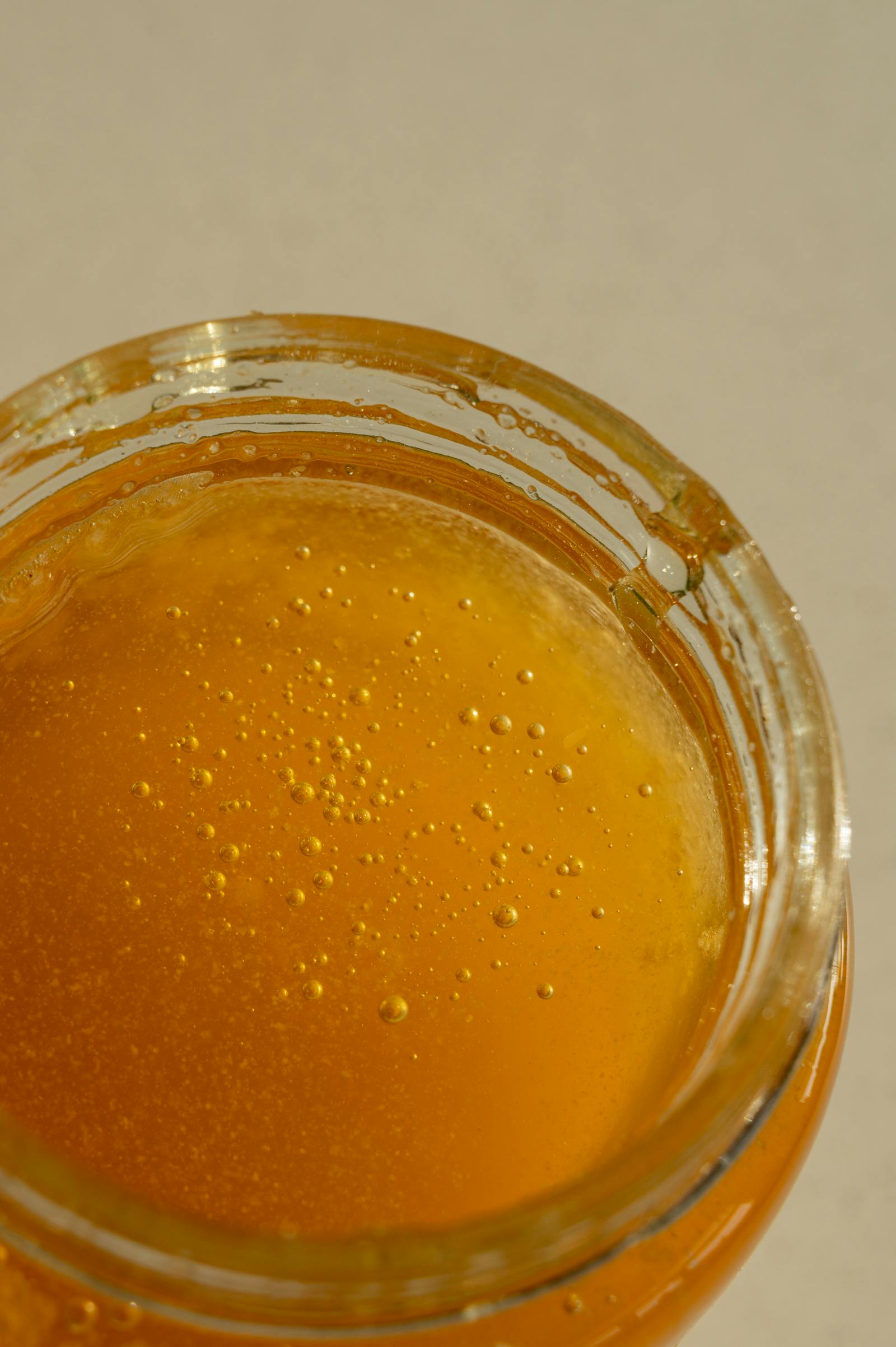
What Are Propolis and Manuka Honey, Exactly?
Propolis is a resinous compound bees collect from tree buds and bark, mix with their saliva and beeswax, and use to sterilize the hive. Manuka honey is a monofloral honey produced from bees foraging on the Leptospermum scoparium bush in New Zealand and parts of Australia. They are not interchangeable products — one is a resin extract, the other is a nectar-derived sugar matrix.
That distinction matters because their active compounds, dosing forms, and clinical use cases diverge sharply.
What Makes Propolis Bioactive?
Propolis is roughly 50% plant resins, 30% beeswax, 10% essential oils, 5% pollen, and 5% other compounds (MDPI Molecules, 2025). Scientists have catalogued over 300 individual bioactives in it. The heavy hitters for immunity are:
- Flavonoids: chrysin, pinocembrin, galangin, quercetin, kaempferol
- CAPE (caffeic acid phenethyl ester): a selective NF-kB inhibitor
- Phenolic acids: caffeic acid, ferulic acid, p-coumaric acid
- Terpenes from local conifer and poplar resins
The flavonoid concentration in raw propolis can run as high as 10–20% by weight in European and North American samples, according to PubMed (PMC9504311) (2022). That density is what makes a tiny dropperful of tincture pharmacologically meaningful.
What Makes Manuka Honey Different?
Manuka honey contains methylglyoxal (MGO) at concentrations 100x higher than ordinary honey, with UMF 15+ jars carrying at least 514 mg/kg of MGO (Mavric et al., Molecular Nutrition & Food Research, 2008). MGO forms when dihydroxyacetone (DHA) — naturally elevated in manuka nectar — slowly converts during honey aging. No other honey produces MGO at this scale.
Beyond MGO, manuka contains:
- Leptosperin: a marker compound used in UMF authenticity testing
- Hydrogen peroxide: produced by glucose oxidase enzyme (like all raw honeys)
- Methylsyringate: an antioxidant phenolic specific to manuka
- Trace flavonoids and phenolic acids: present but at far lower concentrations than propolis
Citation Capsule: Propolis contains 300+ bioactive compounds with flavonoid content up to 10–20% by weight, while manuka honey's hallmark compound is methylglyoxal at 263–829 mg/kg depending on UMF grade. The two products work through fundamentally different chemical pathways (MDPI Molecules, 2025; Mavric et al., Mol Nutr Food Res, 2008).
Propolis vs Manuka Honey: The Head-to-Head Comparison
Here's how the two bee products stack up across the metrics that actually matter for immune support buyers.
Side-by-Side Comparison Table
| Factor | Propolis (Tincture) | Manuka Honey (UMF 15+) |
|---|---|---|
| Key active compound | Flavonoids, CAPE, phenolic acids | Methylglyoxal (MGO) |
| Bioactive density | 10–70% (extract concentration) | 514+ mg/kg MGO (UMF 15+) |
| Antibacterial mechanism | Multi-compound, membrane disruption + biofilm inhibition | Single dominant compound (MGO) plus hydrogen peroxide |
| Best route | Sublingual, capsule, spray | Oral (teaspoon), topical wound dressing |
| Typical daily dose | 15–30 drops tincture OR 500 mg capsule | 1–2 teaspoons |
| Cost per dose (US, 2026) | $0.30 – $0.60 | $1.50 – $3.00 |
| Heat stability | Moderate (use raw or below 110°F) | High (MGO heat-stable up to 158°F) |
| Allergy risk | Higher (resin + pollen + propolis-specific allergens) | Lower (still avoid with honey allergy) |
| Best for | Daily systemic immune support, inflammation, viral defense | Sore throat, mouth ulcers, wound care, gut H. pylori |
| Available in | Tincture, spray, capsule, chunks | Jar (raw), lozenges, medical-grade dressing |
| Authenticity standard | No global standard (look for % flavonoid content) | UMF or MGO certified with batch number |
At our apiary, we harvest propolis from inner-cover scrapings every fall and tincture it in 60–70% grain alcohol for 6 weeks. A 1-oz bottle that costs us about $4 in materials retails between $14 and $18 at farmers' markets. Compare that to a 12-oz jar of UMF 15+ manuka at $35–$55, and the cost-per-dose gap is real.
Which Has Stronger Antibacterial Activity, Propolis or Manuka?
It depends on the bacteria. In direct minimum inhibitory concentration (MIC) testing, ethanolic propolis extract shows MICs of 0.05–1.6 mg/mL against Staphylococcus aureus, while manuka honey UMF 15+ shows MICs of 5–10% (v/v), according to PubMed (PMC8161512) (2021). On a per-weight basis, propolis is roughly 50–100x more concentrated as a raw antibacterial.
That said, MIC numbers don't tell the whole clinical story. Manuka's strength is its delivery format — you can hold it on a wound or in your throat for sustained contact, where its MGO works on bacteria over time. Propolis tincture, by contrast, gets absorbed and metabolized quickly. Different tools, different jobs.
Activity Against MRSA and Resistant Bacteria
Both products show activity against antibiotic-resistant strains, but through different mechanisms.
- Propolis disrupts bacterial cell membranes and inhibits biofilm formation simultaneously. A 2025 review in Current Microbiology found propolis active against methicillin-resistant Staphylococcus aureus (MRSA), vancomycin-resistant Enterococcus (VRE), and several multi-drug resistant gram-negative strains.
- Manuka honey (UMF 15+ and above) was shown by a 2009 study in the Journal of Antimicrobial Chemotherapy to inhibit MRSA biofilm formation and disrupt established biofilms in vitro.
The multi-compound nature of propolis makes bacterial resistance development harder. The MGO in manuka acts as a single dominant molecule, which is more analogous to a conventional antibiotic mechanism — though no clinical resistance has been documented to date.
Activity Against Common Cold and Flu Viruses
Here propolis has the edge. A 2023 review documented propolis effectiveness against influenza, parainfluenza, rhinoviruses, and respiratory syncytial virus (RSV) (PubMed PMC9824023, 2023). The flavonoids chrysin and kaempferol block viral attachment to host cells, a mechanism that doesn't fit MGO's chemical profile.
Manuka honey's antiviral evidence is thinner and largely confined to topical applications. For systemic viral defense during cold and flu season, propolis is the better-supported choice.
Citation Capsule: Propolis ethanolic extract shows MIC values of 0.05–1.6 mg/mL against S. aureus, roughly 50–100x more concentrated as a raw antibacterial than UMF 15+ manuka honey (5–10% v/v MIC). However, manuka's delivery format allows sustained contact at infection sites, particularly throat and wound surfaces (PubMed PMC8161512, 2021).
Which Is Better for Sore Throat and Cough?
Manuka honey has the stronger direct clinical evidence for sore throat relief — but propolis sprays have caught up fast.
A 2021 BMJ Evidence-Based Medicine systematic review of 14 studies found honey (broadly) outperformed usual care for upper respiratory symptoms, with manuka being one of the studied varieties (Abuelgasim et al., BMJ EBM, 2021). The British NHS now formally recommends honey as a first-line cough treatment for adults and children over age 1.
For propolis, a randomized clinical trial published in Complementary Therapies in Medicine (2019) found that a propolis throat spray produced symptom remission in 83% of patients within 3 days, compared to 30% in the control group. That's a striking effect size for a natural product.
We've sold propolis throat spray at farmers' markets for six years. Repeat customers — particularly schoolteachers and nurses — almost universally describe it as their "first 24 hours of a cold" product. They reach for manuka honey in tea later in the illness, when the irritation has shifted to deeper cough.
honey for sore throat and cough breakdown
When to Reach for Each
- Use propolis spray: First tickle in the throat, before symptoms fully form, viral exposure (someone in the house is sick)
- Use manuka honey: Established sore throat, dry cough, nighttime cough suppression in tea, post-tonsillectomy recovery (with provider approval)
- Use both: Combine for layered defense during peak illness — propolis spray every 3 hours, manuka in honey lemon tea twice daily
Can You Take Propolis and Manuka Honey Together?
Yes — they're complementary, not redundant. Many of our regulars run both during cold and flu season because the two products attack illness through different mechanisms and at different sites.
The Stacking Logic
- Propolis works systemically. Sublingual tincture or capsule absorbed into the bloodstream delivers flavonoids and CAPE to your immune system as a whole.
- Manuka honey works locally. A teaspoon coats the throat, lingers, and delivers MGO directly to mucosal surfaces and the upper GI tract.
There are no documented harmful interactions between the two when used together. The only practical caution: if you have a known bee product allergy (anaphylaxis or severe reactions to bees or pollen), avoid both until cleared by an allergist.
[PRO TIP] We tell customers who buy both at once: take propolis in the morning, manuka in the evening. Morning sublingual tincture front-loads your immune signaling. Evening manuka in warm (not hot) tea coats the throat and pairs with sleep, when most viral immune work happens.
Cost Comparison: Per-Dose and Annual
If you're using either product daily during a 12-week cold and flu season, here's the realistic spend.
| Product | Daily dose | Cost per day | 12-week season cost |
|---|---|---|---|
| Propolis tincture (1 oz bottle, $16) | 15 drops | ~$0.40 | ~$34 |
| Propolis capsules ($20 for 60 ct, 500mg) | 1 capsule | ~$0.33 | ~$28 |
| Propolis throat spray (1 oz, $18) | 2 sprays 3x/day | ~$0.60 | ~$50 |
| Manuka honey UMF 15+ (8.8 oz, $45) | 1 tsp | ~$1.78 | ~$150 |
| Manuka honey UMF 20+ (8.8 oz, $75) | 1 tsp | ~$2.97 | ~$250 |
Across a 12-week season, propolis runs $28–$50 per person. Manuka runs $150–$250. If you have three kids and a partner — the math gets brutal fast on manuka. Most family households we serve at the farmers' market end up keeping a single small jar of manuka for sore throats and using propolis as the daily-driver immune product.
Is Propolis Stronger Than Manuka Honey?
For systemic immune support, yes — propolis is more concentrated and pharmacologically diverse. For localized antibacterial action on throat tissue and minor wounds, manuka honey is the more proven delivery format. "Stronger" depends entirely on the use case.
When Propolis Wins
- Daily immune maintenance
- Anti-inflammatory support (proven CRP, IL-6, TNF-alpha reductions)
- Viral defense (influenza, rhinoviruses, RSV)
- Cold sores (HSV-1 — outperformed acyclovir in 4 trials per Journal of Ethnopharmacology, 2022)
- Oral health (gingivitis, post-dental procedures)
When Manuka Wins
- Active sore throat or pharyngitis
- Mouth ulcers and canker sores
- Wound dressings (medical-grade only, under provider guidance)
- H. pylori suppression in stomach
- Children under 4 (propolis is generally not recommended for under-3s)
What About the Inflammation Evidence?
This is where propolis pulls clearly ahead. The 2025 Frontiers in Nutrition meta-analysis pulled data from 27 randomized controlled trials covering 1,463 participants and found propolis supplementation significantly reduced three major inflammatory markers (Frontiers in Nutrition, 2025):
- C-reactive protein (CRP): weighted mean difference −1.23 mg/L (p < 0.001)
- Interleukin-6 (IL-6): WMD −1.52 pg/mL (p < 0.001)
- TNF-alpha: WMD −1.15 pg/mL (p < 0.001)
The same analysis found increases in total antioxidant capacity (WMD: 0.32, p=0.001) and glutathione levels (WMD: 4.71, p<0.001).
Manuka honey, by contrast, has limited systemic anti-inflammatory clinical data. Its in-vitro effects on cytokine signaling are documented, but the translation to measurable serum markers in human RCTs hasn't been demonstrated at the same scale. For an inflammation-focused immune protocol, propolis is the better-supported choice.
What About Authenticity and Fraud?
Both products have fraud problems, but they manifest differently.
Manuka Fraud
New Zealand produces roughly 1,700 tonnes of genuine manuka annually, yet an estimated 10,000 tonnes are sold worldwide under the manuka label — a six-to-one fraud ratio (UMF Honey Association, 2023). Protection: buy only UMF-certified jars with verifiable batch numbers, and skip anything labeled "manuka blend" or "manuka-style."
Propolis Quality Variation
There's no global authenticity standard for propolis, which means quality varies enormously. A cheap propolis tincture might be 5% propolis extract diluted heavily in alcohol. A high-quality tincture is 20–30% extract with documented flavonoid content.
What to look for on a propolis label:
- Extract percentage (20%+ is solid; 30%+ is premium)
- Total flavonoid content in mg per dropper
- Geographic origin of the resin (Brazilian green vs European poplar vs North American mixed)
- Alcohol type (grain alcohol or USP-grade ethanol; avoid isopropyl)
- Small-batch beekeeper sourcing when possible
We've seen propolis tinctures at health food stores labeled "20% extract" that contained less flavonoid material than our own 15% tincture by lab testing. The percentage on the label is meaningless without verified flavonoid quantification. If a brand doesn't publish that number, assume it's low.
Frequently Asked Questions
Is propolis stronger than manuka honey?
For systemic immune support and anti-inflammatory effects, propolis is stronger gram-for-gram. It contains 300+ bioactive compounds at concentrations of 10–70% in extract form, while manuka's hallmark compound MGO maxes out around 829 mg/kg at UMF 20+. For local antibacterial action on throat tissue or wounds, manuka's heat-stable MGO holds up better than propolis's more volatile compound profile.
Can you take propolis and manuka honey together?
Yes. The two work through complementary mechanisms — propolis systemically through bloodstream absorption, manuka locally on mucosal surfaces. There are no documented interactions. Many people use propolis tincture in the morning and manuka honey in evening tea during cold and flu season. The only caution is anyone with severe bee or pollen allergies, who should avoid both pending allergist clearance.
Which has more antibacterial activity, propolis or manuka?
In direct MIC testing, propolis ethanolic extract is roughly 50–100x more concentrated as a raw antibacterial agent than UMF 15+ manuka honey (PubMed PMC8161512, 2021). However, manuka's value comes from its delivery format — you can hold it on a wound or in your throat for sustained MGO contact, where propolis tincture gets absorbed and metabolized within minutes.
Should I choose propolis or manuka for cold and flu?
For early intervention (first 24 hours of symptoms), use propolis throat spray plus sublingual tincture. For established symptoms — particularly sore throat and dry cough — switch to or add manuka honey in warm tea. For viral defense before symptoms appear, propolis has better antiviral evidence against influenza and rhinoviruses (PubMed PMC9824023, 2023).
how to use propolis for immune support
Is manuka MGO better than propolis flavonoids?
They're not competing — they do different things. MGO is a single, highly stable antibacterial compound that excels at sustained-contact applications (wounds, throat). Propolis flavonoids are a complex mix that work systemically through your bloodstream, modulating inflammation and viral defense. Asking which is "better" is like asking whether a wrench or a screwdriver is better. Different tools.
Are there any side effects to worry about?
Propolis has a higher allergy risk than manuka because it contains pollen plus propolis-specific allergens like 3-methyl-2-butenyl caffeate. Anyone with a known bee, pollen, or propolis allergy should avoid it. Manuka honey carries a low allergy risk for adults, but is unsafe for infants under 12 months due to botulism risk (same as all honey). Both products can occasionally cause mild GI upset at high doses.
honey for babies and kids safety guide
Can children take propolis and manuka?
Manuka honey is safe for children over 12 months. Propolis is generally recommended for ages 3 and up, with alcohol-free water-based extracts preferred for kids. Always check with a pediatrician before introducing either product, particularly for children with any allergy history.
The Bottom Line: Which Should You Buy?
If you're buying just one bee product for immune support, the answer depends on your goals.
- For daily systemic immune support: Buy propolis. A 1-oz tincture or 60-count capsule bottle runs $16–$22 and lasts most adults 6–8 weeks at recommended doses. The 2025 meta-analysis evidence for inflammation reduction is the strongest of any over-the-counter bee product.
- For sore throats and acute cold symptoms: Buy manuka honey UMF 10+ or 15+. An 8.8-oz jar runs $30–$50 and lasts most households a full cold and flu season at occasional-use doses.
- For comprehensive protection during peak illness exposure (teachers, healthcare workers, parents of school-age kids): Buy both. The combined annual cost runs $80–$200, less than a single ER copay if a cold escalates.
We've kept bees for four generations. The pattern we see at every farmers' market is the same: customers who try propolis once and dose it consistently almost never go back to relying on manuka alone. Manuka is excellent for what it does, but propolis covers more immune ground per dollar. Stock both, use them for what they're each best at, and you'll be in better shape than 95% of the supplement aisle at the grocery store.
browse our propolis tincture recipe apitherapy complete guide
Schema and Source Notes
This article references the following primary sources:
- Frontiers in Nutrition (2025): Meta-analysis of 27 RCTs on propolis and inflammatory markers
- Mavric et al., Molecular Nutrition & Food Research (2008): Foundational MGO measurement in manuka honey
- PubMed PMC8161512 (2021): Comparative MIC values of propolis and honeys
- PubMed PMC9824023 (2023): Propolis antiviral activity against respiratory viruses
- PubMed PMC9504311 (2022): Propolis bioactive compound review
- MDPI Molecules (2025): Propolis composition review
- Abuelgasim et al., BMJ Evidence-Based Medicine (2021): Honey for upper respiratory symptoms
- Complementary Therapies in Medicine (2019): Propolis throat spray RCT
- Journal of Ethnopharmacology (2022): Propolis vs acyclovir for cold sores
- UMF Honey Association (2023): Manuka authenticity standards and fraud data
NorCal Nectar produces small-batch propolis tinctures and raw honey from Northern California apiaries. Our team has been keeping bees for four generations across Mendocino, Sonoma, and Sacramento counties. We do not sell manuka honey and have no financial stake in the manuka market — this comparison reflects what we tell our farmers' market customers when they ask.
Browse the Current Catalog
See what we actually have listed and in stock right now.
Keep reading
Propolis
Bee Propolis: Benefits, How to Use It, Forms and Safety
Propolis is the sticky resin bees use to seal and protect the hive. This guide covers what it is, what human studies do and don't show, how to use each form, and the allergy and medication cautions to know first.
Raw Honey Benefits & Education
Raw Honey vs Manuka Honey: Which Is Better?
Raw honey or manuka? We break down the real differences in antibacterial properties, price, flavor, and everyday use so you can choose the right jar for your kitchen and medicine cabinet.
Raw Honey Benefits & Education
Honey for Sore Throat and Cough: What Science Says
Studies confirm what grandmothers have known for generations: honey really does help sore throats and coughs. Here's the research and the best ways to use it.
Propolis
How to Make Propolis Tincture at Home: DIY Guide
A 70% ethanol extraction pulls the highest concentration of polyphenols and flavonoids from raw propolis. This step-by-step guide covers everything from freezing and grinding raw propolis to filtering, bottling, and dosing your finished tincture — plus the science behind why each step matters.