Free shipping on orders $50+

NorCal Nectar

NorCal Nectar Journal

Raw honey, honey sticks & beekeeping

Buying guides, serving maths, recipes and hive management — written to answer one question at a time, with the sources shown.

144 articles · page 2 of 12

Buyer Guides

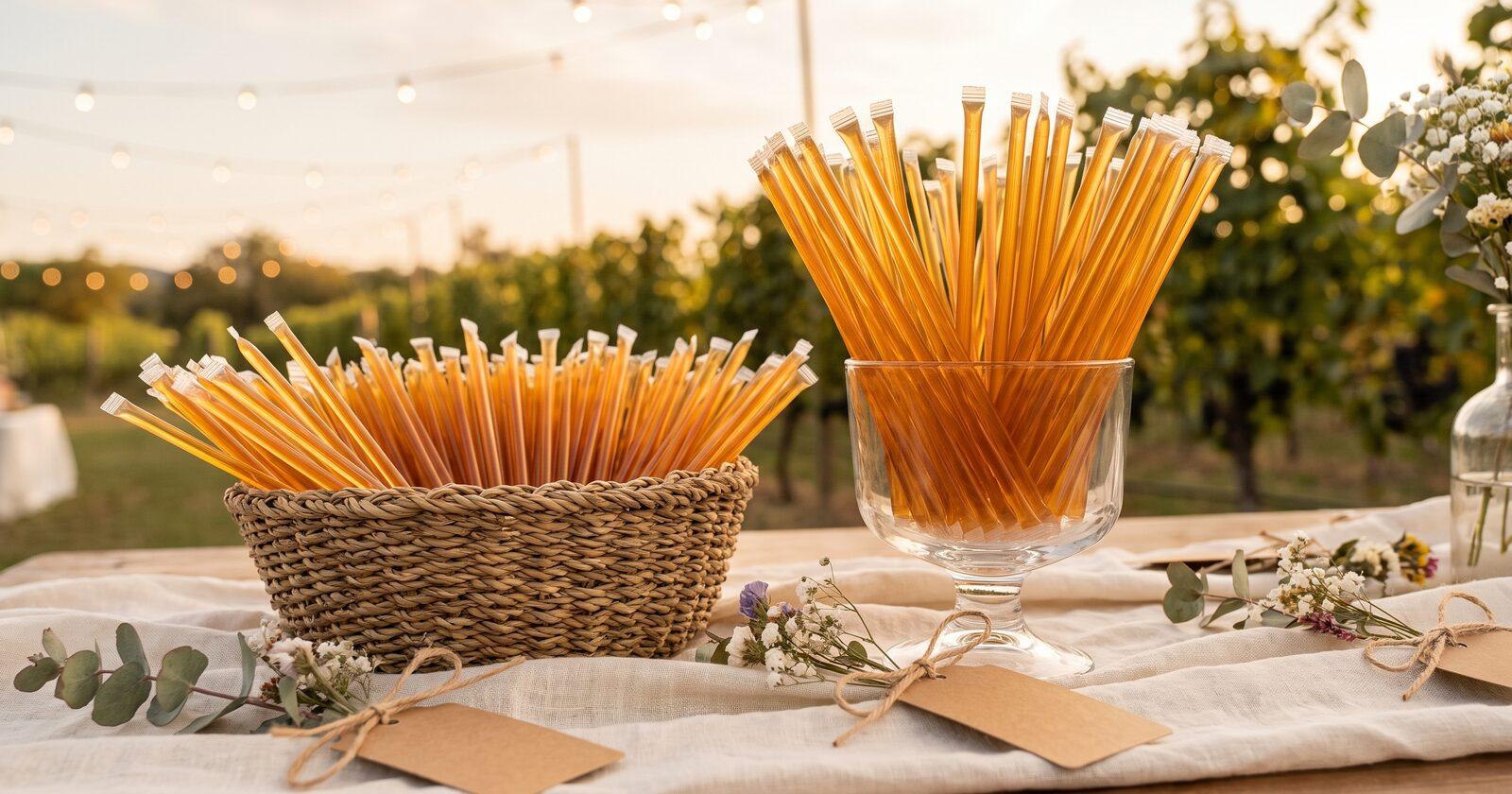
Honey Stick Wedding Favors: The Complete Cost Guide

Honey sticks land below every price band the wedding industry quotes for favors. This guide runs the real per-guest math against The Knot's 2026 survey data, compares sticks to mini jars, and covers quantity, display, timing, and shipping weight.

13 min read
Buyer Guides

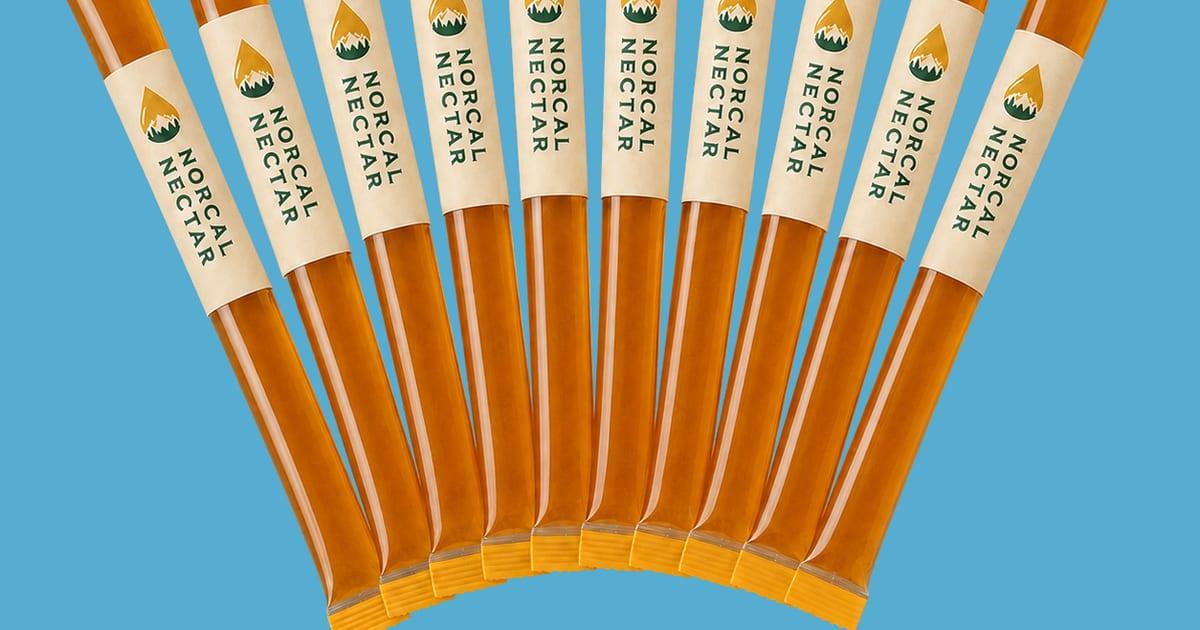
Honey Sticks vs. Energy Gels: Carbs, Ingredients, Cost & Portability

Energy gels carry roughly four times the carbohydrate of a honey stick, and cost roughly four times as much. This compares what is actually on the two labels — carbs, ingredients, cost per serving, packaging and heat stability — without claiming either one makes you faster.

7 min read

Buyer Guides

Best Beekeeping Gloves 2026: Leather vs Goatskin vs Nitrile (What Actually Protects You)

Buyer Guides

Best Beekeeping Gloves 2026: Leather vs Goatskin vs Nitrile (What Actually Protects You)

A working-beekeeper's buyer guide to the best beekeeping gloves in 2026. Goatskin vs cowhide vs nitrile, full-length vs short cuff, ventilated vs solid — what stings get through, what doesn't, and the price you should not pay past.

16 min read

Propolis

Propolis vs Manuka Honey: Which Wins for Immunity?

Propolis delivers concentrated flavonoids and CAPE for systemic immune defense at $0.30–$0.60 per dose. Manuka honey's MGO works locally in the throat and on wounds at $1.50–$3.00 per teaspoon. Here's the full head-to-head comparison and when to use each — or both.

12 min read

Beekeeping & Sustainability

Honey Extraction Process Step-by-Step: From Capped Frames to Bottled Jar

Beekeeping & Sustainability

Honey Extraction Process Step-by-Step: From Capped Frames to Bottled Jar

A no-fluff, step-by-step honey extraction process for hobbyist beekeepers. Pull capped frames, uncap with a knife or fork, spin in an extractor, double-strain, settle, and bottle -- with real timing, yield-per-frame numbers, and the moisture, temperature, and food-safety rules that protect raw honey from hive to jar.

16 min read

Beekeeping & Sustainability

How to Read a Brood Frame: Eggs, Larvae, Capped Brood, and Pattern Diagnosis

Beekeeping & Sustainability

How to Read a Brood Frame: Eggs, Larvae, Capped Brood, and Pattern Diagnosis

A brood frame is a colony's medical chart. Once you know how to read eggs, larvae, capped cells, and pattern shape, a 30-second glance tells you whether the queen is laying well, the colony is healthy, or something is going wrong. This guide walks through the exact inspection sequence experienced beekeepers run on every frame, plus a pattern diagnosis matrix for what spotty, scattered, or sunken brood actually means.

16 min read

Beekeeping

How to Requeen a Hive: Choosing and Introducing a Queen

Requeening is one of the highest-leverage interventions in beekeeping -- it can fix a failing colony, swap aggressive genetics for gentle stock, or refresh productivity in an aging hive. This guide walks through every step from sourcing a quality queen to confirming she's been accepted and is laying.

25 min read

Beekeeping & Sustainability

How to Build and Bait a Swarm Trap: Catch Free Bees This Spring

Catching a swarm is the cheapest way to add a colony to your apiary — a single trap can replace a $250 package or a $200 nuc with a few dollars of plywood and a vial of lemongrass oil. This guide covers proven swarm trap dimensions, the right bait combination, exact placement height and direction, when to deploy in spring, and how to transfer caught bees into a permanent hive without losing the queen.

21 min read

Sweeter in your inbox

Be the first to know about new drops, recipes, and hive updates.